14 Wood vs Metal Furniture Ideas for Every Home Style
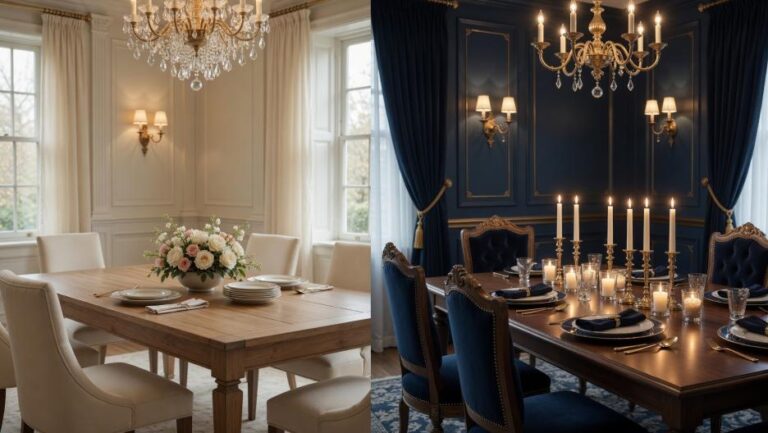
1. Warm Wood Dining Table vs Sleek Metal Dining Table
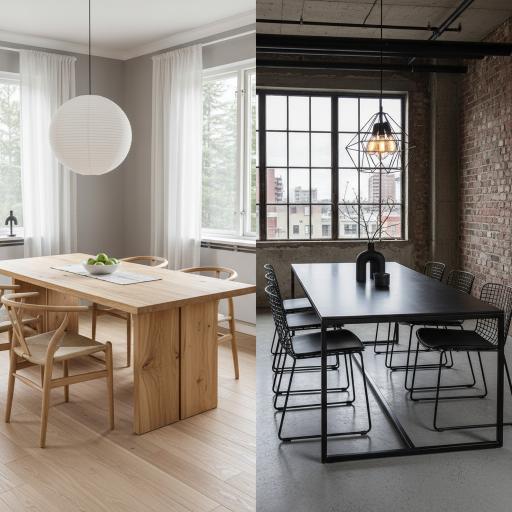
A warm wood dining table is one of the most universally beloved and enduringly popular furniture choices in the entire history of domestic interior design, and its combination of natural beauty, tactile warmth, and the sense of gathered, convivial living that a substantial wooden table surface communicates makes it the heart of family dining rooms across virtually every cultural tradition and decorating aesthetic worldwide. The natural grain, color variation, and organic imperfection of a solid wood dining table gives it a life and character that deepens rather than diminishes with age and use, developing the kind of patina and personal history that only natural materials can accumulate over decades of daily family meals and celebrations.
A sleek metal dining table, by contrast, makes an entirely different statement about the priorities and aesthetic values of the space it inhabits, replacing the organic warmth and natural variation of wood with the precision, permanence, and industrial authority of engineered steel or powder-coated aluminum. A brushed steel or matte black metal dining table in a contemporary, industrial, or minimalist interior brings a graphic clarity and structural honesty to the dining room that wood cannot replicate, its perfectly flat surface and precise geometric form communicating a kind of architectural seriousness that suits urban loft apartments, converted warehouse spaces, and any interior that values the beauty of manufactured precision over the warmth of natural material.
2. Wooden Bed Frame vs Metal Bed Frame
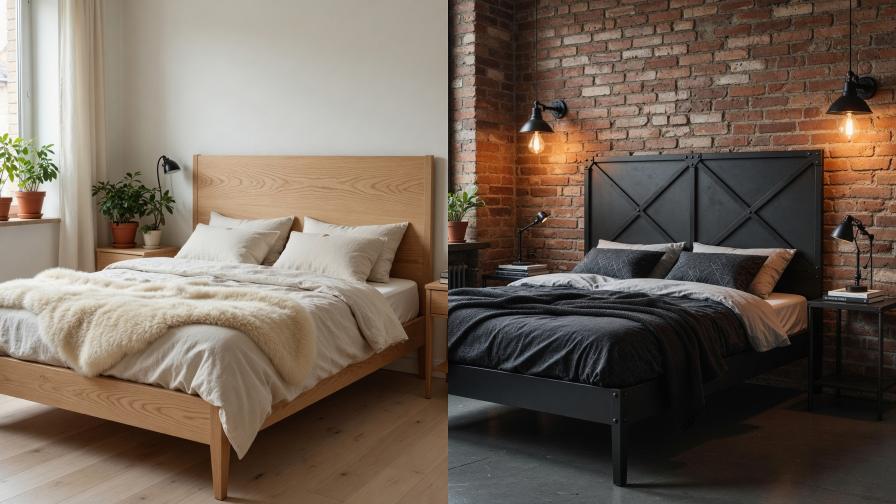
A solid wood bed frame is one of the most significant and emotionally resonant furniture investments a person makes, and the warmth, solidity, and organic presence of a well-made wooden bed frame creates a sleeping environment of genuine comfort and beauty that supports the restorative function of the bedroom in a way that lighter, more industrial alternatives often cannot match. The headboard of a wooden bed frame, whether a simple slatted panel, a solid upholstered-meets-timber construction, or an elaborately carved statement piece, provides a warm, substantial backdrop to the bed that anchors the entire bedroom composition and gives the room its primary visual focal point with a naturalness and authority that feels entirely appropriate to the most intimate room in the home.
A metal bed frame offers a completely different aesthetic proposition, bringing the graphic precision of engineered steel, iron, or brass into the bedroom in a form that ranges from the delicate, ornamental quality of a traditional wrought iron four-poster to the severe, architectural minimalism of a welded steel platform frame with no headboard at all. The visual lightness of a metal frame, particularly in a slender, geometric design with minimal material mass, creates a sense of openness and airiness in the bedroom that a solid wooden frame cannot achieve, making metal an excellent choice for small bedrooms where visual weight needs to be minimized and for contemporary or industrial interiors where the precision and finish quality of engineered metal is a valued aesthetic rather than a compromise.
3. Wood Bookshelf vs Metal Shelving Unit
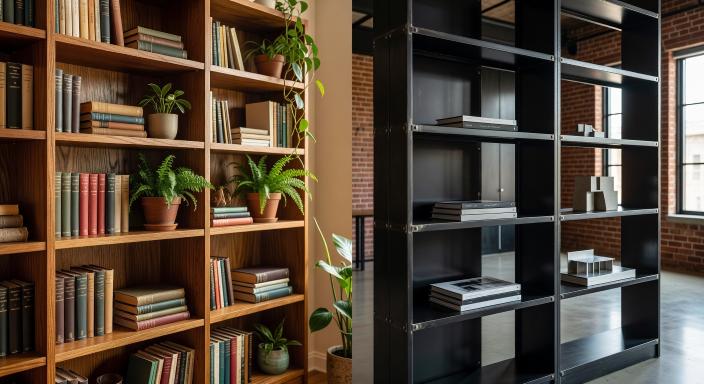
A solid wood bookshelf is one of the most culturally significant pieces of domestic furniture in existence, and its combination of practical book storage with the warmth, craftsmanship, and intellectual gravitas of natural wood makes it a piece that contributes to the character and atmosphere of a room far beyond its purely functional role as a storage solution. A well-filled wooden bookshelf, with its mixture of books, small plants, framed photographs, and carefully chosen decorative objects arranged across its shelves, tells the story of its owner’s intellectual and aesthetic life with an intimacy and specificity that no other piece of furniture can match, and the warm wood tones of the shelving itself provide a beautiful backdrop that enhances the visual richness of everything displayed on its surfaces.
A metal shelving unit brings an entirely different energy to book and object storage, replacing the organic warmth and enclosed solidity of a wooden bookcase with the open, airy, and industrial character of a welded steel or powder-coated iron frame that exposes everything stored on it to full view from every angle. Industrial metal shelving units in matte black or raw steel are among the most popular storage solutions in loft apartments, home offices, and contemporary living rooms precisely because their visual openness and structural honesty suit the exposed brick, concrete floors, and high ceilings of industrial-influenced interiors so naturally. The absence of back panels and side enclosures gives metal shelving a spatial transparency that keeps large storage units from dominating and visually shrinking a room.
4. Wooden Coffee Table vs Metal Coffee Table
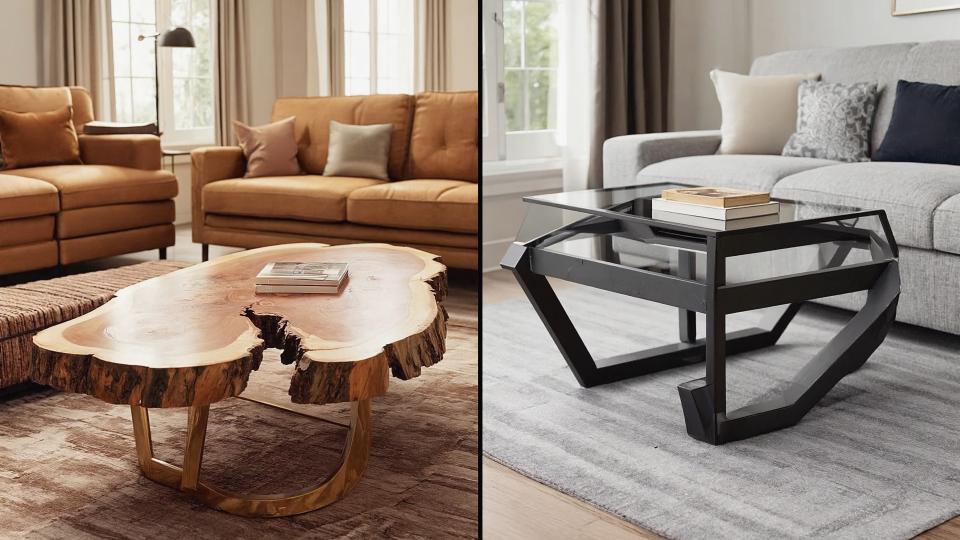
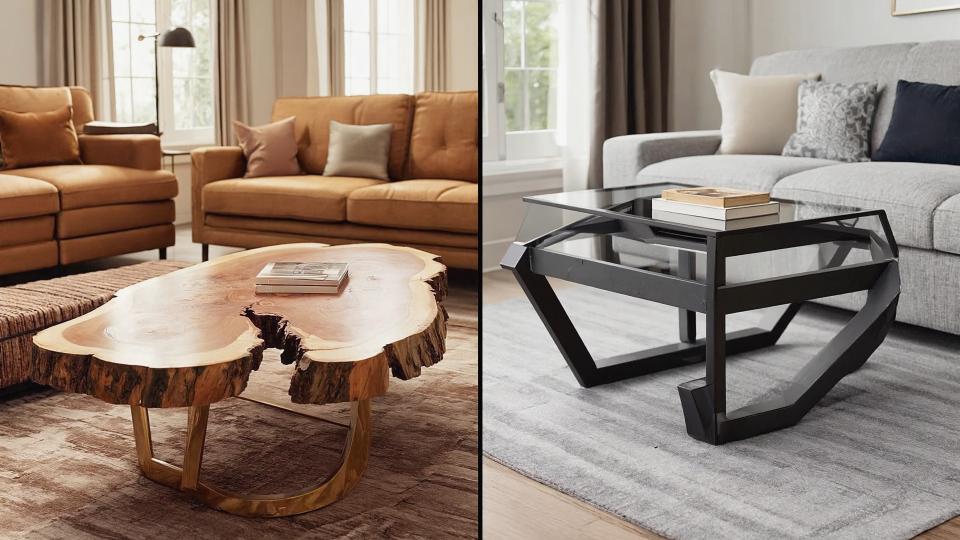
A wooden coffee table is the warm, tactile, and organically beautiful centerpiece of a living room seating arrangement, and its natural surface provides the ideal canvas for the everyday styling of books, trays, candles, and decorative objects that transforms a functional piece of furniture into the visual and social heart of the room. The enormous variety of wooden coffee table forms available, from a simple reclaimed plank on hairpin legs to a sculptural live-edge slab on a solid wood base to a turned and carved traditional piece with a rich lacquered finish, means that a wood coffee table can be found to suit virtually every interior style from rustic farmhouse to contemporary Scandinavian to traditional English country house, making it the most versatile coffee table material available.
A metal coffee table makes a different kind of statement, one that prioritizes structural clarity, graphic form, and the specific aesthetic pleasure of engineered precision over the warmth and organic variation of natural wood. A geometric black powder-coated steel coffee table with clean welded joints and a consistent matte finish communicates a design intelligence and commitment to material honesty that suits industrial, minimalist, and contemporary interiors with particular conviction. Metal coffee tables in brass or copper tones add warmth while retaining the material sophistication and reflective quality of metal, and their combination with marble or glass table tops produces coffee tables of genuine luxurious quality that are among the most admired and Pinterest-saved furniture pieces in contemporary interior design.
5. Wooden Wardrobe vs Metal Wardrobe Frame
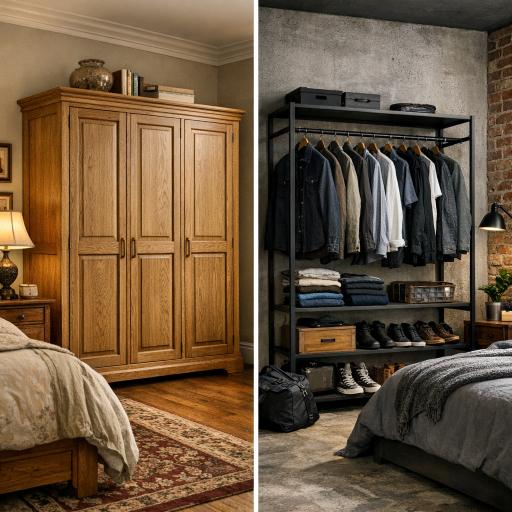
A solid wood wardrobe is one of the most substantial and architecturally significant pieces of furniture in any bedroom, and the presence of a well-made wooden wardrobe, whether a traditional armoire with carved panel doors and brass hardware or a sleek, handle-free contemporary built-in in a warm oak veneer, anchors the room and provides a sense of permanence and domestic establishment that more lightweight alternatives cannot replicate. The enclosed nature of a traditional wooden wardrobe, with its solid doors concealing everything stored within, contributes to the visual calm and order of the bedroom by keeping the inevitable accumulation of clothing and accessories entirely out of sight behind a beautiful, unified facade.
An open metal frame wardrobe, by contrast, has become one of the most distinctive and Pinterest-popular bedroom furniture choices of the past decade, particularly in industrial, minimalist, and Scandinavian-influenced interiors where the display of carefully curated clothing and accessories on an open hanging rail is embraced as a lifestyle aesthetic rather than treated as a storage problem requiring concealment. The visual openness of a metal frame wardrobe creates a sense of spatial lightness in the bedroom that a solid wooden wardrobe cannot provide, and the graphic quality of the powder-coated steel or brass frame adds an industrial or luxurious material note depending on the finish chosen. The discipline required to keep an open wardrobe looking beautiful is itself a practice of intentional, edited living.
6. Wooden Desk vs Metal Desk Frame
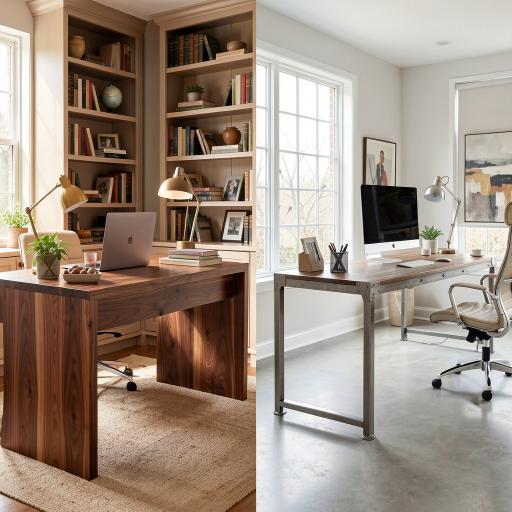
A solid wood desk is the furniture piece most directly associated with focused, sustained creative and intellectual work, and the warmth, substance, and natural beauty of a well-made wooden desk surface creates a working environment that supports concentration, inspires pride of place, and communicates a seriousness of purpose that lighter, more provisional alternatives cannot provide with the same conviction. The tactile quality of a wooden desk surface, warm to the touch, slightly resonant, and developing a personal patina of marks and wear over years of daily use, creates a working relationship between the person and the desk that becomes genuinely meaningful over time and makes the desk feel less like an office accessory and more like a personal territory.
A metal frame desk, whether a sleek powder-coated steel trestle supporting a solid wood or glass top, or a fully metal construction with an integrated steel or perforated aluminum surface, brings the functional clarity and industrial character of engineered materials to the home office in a form that suits the working aesthetic of architects, designers, and anyone who values the visual language of precision manufacturing in their daily work environment. The adjustable, modular quality of many metal frame desk systems, where the height of the surface can be changed, additional components added, and the entire configuration reconfigured as working needs evolve, also gives metal desk frames a practical flexibility that solid wooden desk constructions rarely offer.
7. Reclaimed Wood Table vs Powder-Coated Metal Table
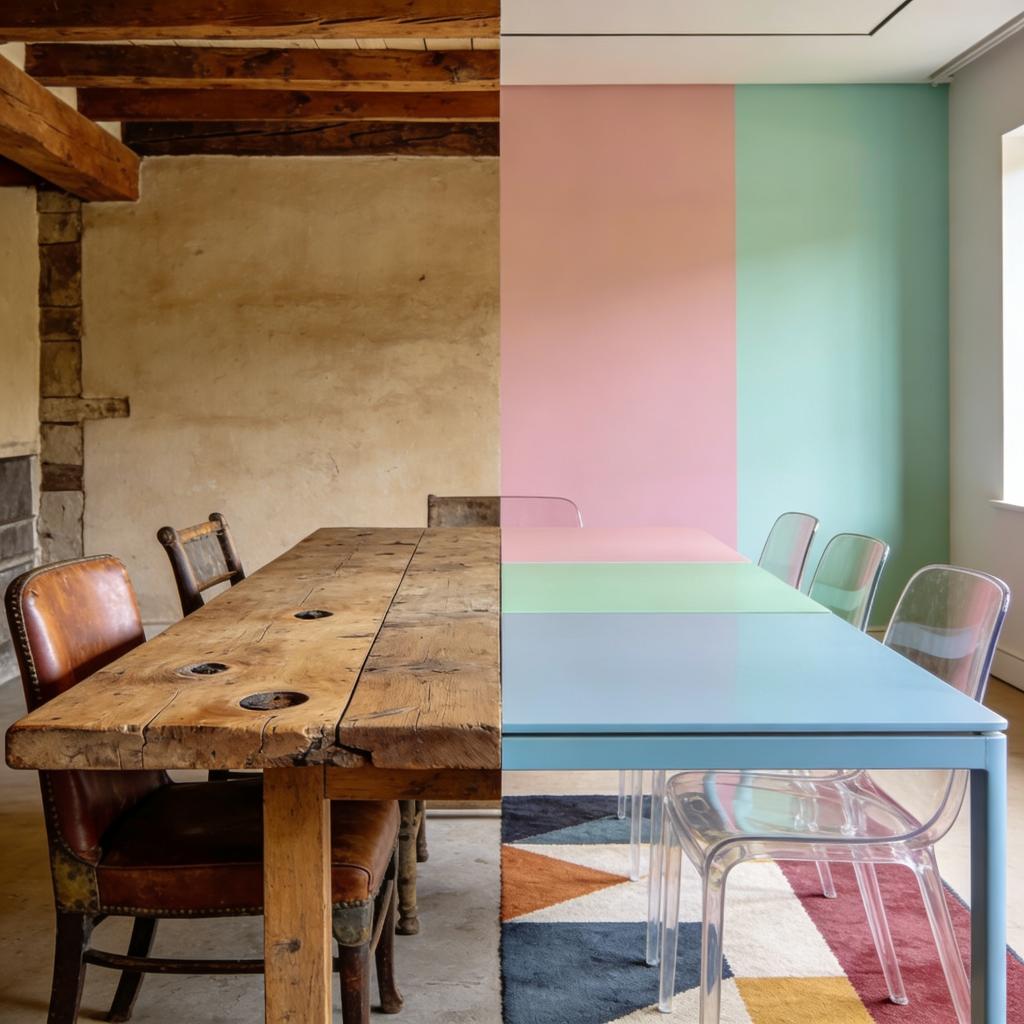
A reclaimed wood table is one of the most environmentally responsible and aesthetically characterful furniture choices available, and the visible history embedded in the surface of a reclaimed timber, the nail holes, saw marks, grain variation, and color changes that document the wood’s previous life as a structural beam, barn floor, or industrial shelving, gives a reclaimed wood table a depth and authenticity that new timber, however beautiful, simply cannot possess. Each reclaimed wood table is genuinely unique, its specific combination of visual features determined by the particular history of the timber from which it was made, and this irreproducible individuality makes it one of the most personal and meaningful furniture investments available to the conscientious home decorator.
A powder-coated metal table offers a completely different kind of distinctiveness, one rooted not in natural variation and historical accumulation but in the precision of industrial manufacturing and the unlimited chromatic possibilities of powder coat finishing. The ability to specify virtually any color from the RAL or similar color system in a consistent, durable, chip-resistant finish makes powder-coated metal tables one of the most flexible and design-forward furniture options available, particularly in contemporary, playful, or color-confident interiors where a specific palette is being maintained with deliberate precision. A powder-coated metal table in a warm terracotta, sage green, or deep navy adds a graphic, designed quality to a dining room or kitchen that wood, for all its warmth and beauty, cannot deliver with the same chromatic precision and consistency.
8. Wooden Side Table vs Metal Side Table
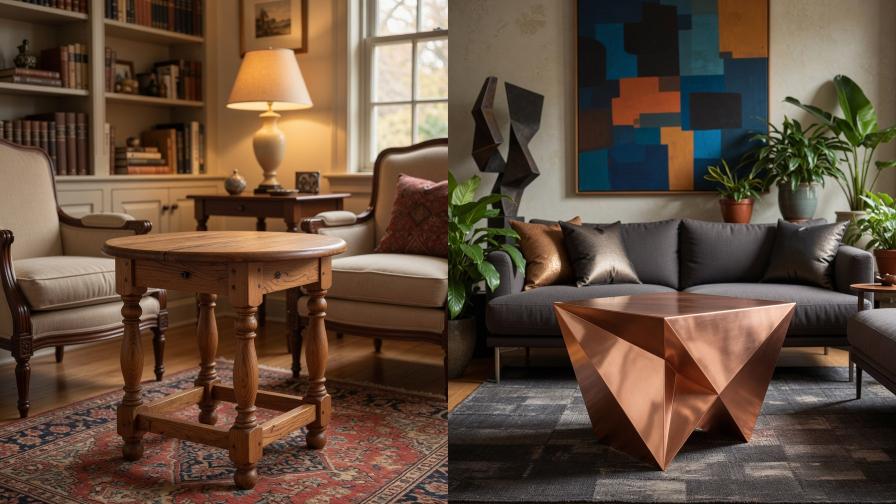
A wooden side table is the most naturally harmonious and universally compatible small table available, its warm tones and organic grain sitting comfortably alongside almost every other material and style of furniture in a room without demanding attention or creating visual tension. The variety of wooden side table forms is extraordinary, from a simple solid oak drum table to a delicately turned spindle-leg design to a rough-hewn live-edge slice mounted on hairpin legs, each representing a different interpretation of wood’s natural qualities and each suited to a different interior aesthetic while sharing the fundamental warmth and approachability that makes wood the most emotionally accessible of all furniture materials.
A metal side table, particularly in a warm finish such as brushed brass, hammered copper, or rose gold, has become one of the most design-forward and Pinterest-celebrated small furniture choices in contemporary interior design, bringing a material richness and reflective quality to a living room or bedroom composition that wood cannot replicate. The small scale of a side table makes it an ideal context for experimenting with a more unusual or luxurious material finish that might feel overwhelming at the scale of a dining table or sofa, and a beautifully finished metal side table in an unexpected finish can provide exactly the accent of material sophistication that elevates an otherwise conventional room into something genuinely considered and design-literate.
9. Wooden Garden Table vs Metal Garden Table
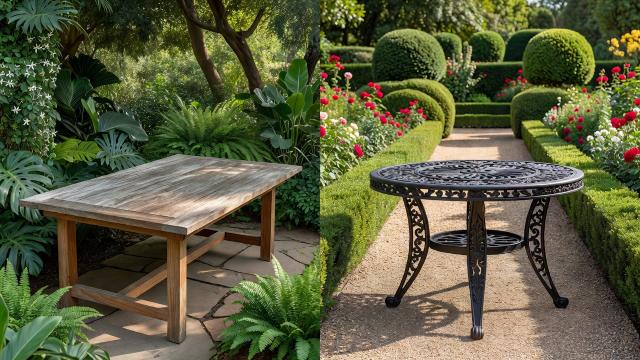
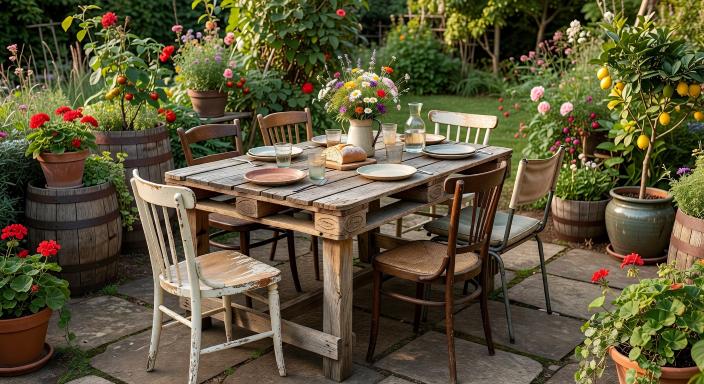
A wooden garden table, particularly one made from a naturally durable and weather-resistant timber such as teak, iroko, or pressure-treated hardwood, brings the warmth and organic character of natural wood into the outdoor living space in a form that weathers gracefully and develops the beautiful silver-gray patina of sun and rain-bleached hardwood that many outdoor furniture enthusiasts specifically seek and value as an aesthetic quality rather than a sign of deterioration. The substantial, grounded quality of a solid wood garden table suits outdoor dining environments that aspire to the permanence and comfort of indoor dining rooms, and its natural material blends harmoniously with the plants, stone, and organic textures of a well-maintained garden.
A metal garden table offers outdoor durability of a different kind, and the choice of metal for outdoor furniture brings a specific aesthetic character that ranges from the romantic, ornate scrollwork of traditional wrought iron to the sleek, powder-coated precision of contemporary aluminum in weather-resistant matte finishes. Cast iron and wrought iron garden tables have a century-long tradition of outdoor use in formal and cottage gardens, their intricate pierced and scrolled surfaces providing both visual richness and good drainage of rain water, while contemporary aluminum garden tables in clean geometric forms suit modern outdoor living spaces with terrazzo floors, architectural planting, and the kind of considered minimalist outdoor aesthetic that treats the garden as an extension of the interior living space rather than a separate, informally decorated environment.
10. Wooden Stool vs Metal Bar Stool
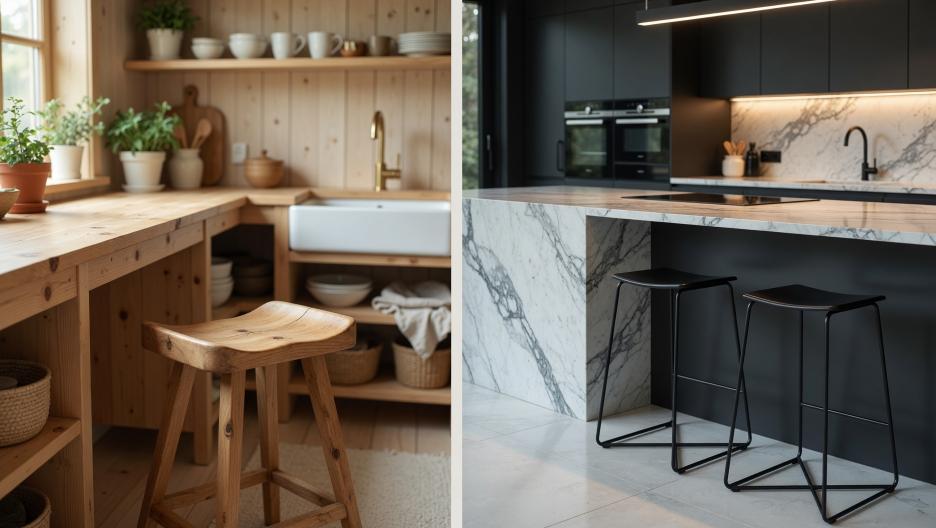
A wooden bar or counter stool is the most naturally warm and tactilely inviting seating option for kitchen islands and breakfast bars, and the variety of wooden stool designs available encompasses everything from the simple, solid craftsmanship of a traditional Windsor stool to the elegant, minimal form of a Scandinavian design classic to the rustic, characterful appeal of a roughly finished reclaimed wood seat on industrial metal legs. The warmth of wood against the typically hard, cool surfaces of a kitchen environment, stone countertops, tile splashbacks, and lacquered cabinetry, provides a material balance and human comfort that makes the kitchen feel genuinely welcoming and livable rather than purely functional and clinical.
Metal bar stools are one of the most versatile and design-forward kitchen seating choices available, and their ability to suit industrial, contemporary, and minimalist kitchen aesthetics with an authority and precision that wooden stools cannot always match makes them the preferred choice for the clean-lined, hard-surfaced kitchens that dominate contemporary interior design. Sleek black powder-coated steel stools with footrests and swivel seats suit an industrial or modern kitchen with matte black hardware and concrete or dark stone countertops, while brass or gold-finish metal stools add warmth and a luxurious material accent to a white or neutral kitchen that benefits from a touch of metallic richness without the full commitment of an all-wood aesthetic.
11. Wooden Chest of Drawers vs Metal Storage Cabinet
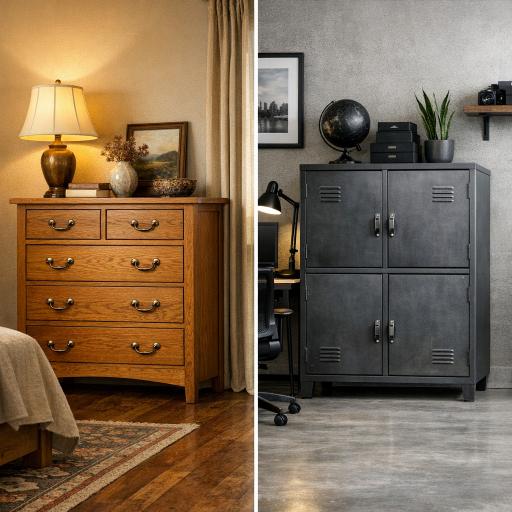
A solid wood chest of drawers is one of the most enduring and beloved bedroom furniture pieces in the entire history of domestic furnishing, and its combination of generous clothing storage, beautiful craftsmanship, and the warm, anchoring presence of solid timber in the bedroom creates a piece of furniture that functions simultaneously as a practical storage solution and a genuinely beautiful object that contributes to the overall aesthetic quality of the room it inhabits. The drawer fronts of a wooden chest are a particularly important design element, whether flat panels in a clean contemporary design, raised and fielded panels in a more traditional style, or simple shaker-style recessed panels in a transitional aesthetic that bridges both traditions.
A metal storage cabinet brings industrial functionality and a completely different material aesthetic to storage solutions, and in the context of a home office, workshop, or contemporary bedroom with an industrial or minimalist character, a metal filing cabinet or locker-style storage unit provides a visual honesty and utilitarian clarity that a wooden chest of drawers would be too domestic and traditional to deliver. Vintage or reproduction metal lockers in matte gray, cream, or forest green have become particularly popular in bohemian, eclectic, and industrial interior schemes as both functional storage and characterful decorative objects, their association with schools, factories, and institutional spaces adding a layer of nostalgic, slightly subversive charm to the domestic environments they now inhabit.
12. Live Edge Wood Table vs Welded Steel Table
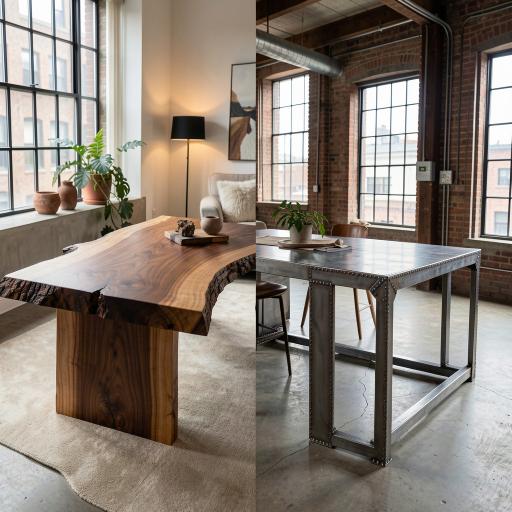
A live edge wood table represents the most direct and unmediated engagement with natural material available in furniture making, preserving the exact outer profile of the tree trunk or slab from which the table was made and celebrating the organic, asymmetric beauty of natural wood forms that conventional furniture manufacturing invariably eliminates in the pursuit of precise, rectilinear geometry. The live edge brings the specific character of a specific tree into the home, with every knot, crack, grain pattern, and edge irregularity documenting the particular life history of that individual tree in a way that makes the table a genuinely unique and irreproducible object of natural beauty and biographical significance.
A precision welded steel table makes the opposite aesthetic statement with equal conviction, celebrating the beauty of engineered metal, the precision of machine-cut forms, and the particular visual quality of exposed welding that turns the joinery process itself into a decorative element rather than something to be concealed and finished away. In industrial loft spaces, contemporary art studios, and any interior that values the authentic expression of manufacturing processes and engineered materials, a welded steel table with visible weld lines, raw metal surfaces, and the honest geometry of structural steel sections has a visual integrity and material character that is deeply compelling to those who respond to industrial aesthetics and the beauty of functional precision.
13. Wooden TV Unit vs Metal Media Console
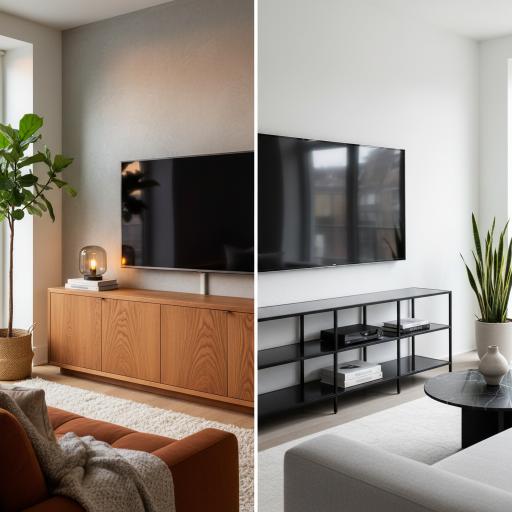
A solid wood TV unit is the most warmly domestic and visually grounding media furniture option available, and its combination of enclosed storage for the inevitable accumulation of media equipment, cables, and accessories with the natural beauty of a wood surface that contributes positively to the room’s overall aesthetic makes it the most popular choice for living rooms where warmth, comfort, and a sense of domestic establishment are the primary design priorities. The enclosed cabinets and drawers of a wooden TV unit conceal the utilitarian reality of home entertainment technology behind a beautiful facade that suits the room’s decorative ambitions rather than contradicting them with the visual chaos of exposed equipment and cable management.
A metal media console, whether a slim steel shelf unit on hairpin legs or a more substantial welded frame with open compartments for equipment display, brings a graphic lightness and industrial clarity to the living room media wall that a solid wooden unit cannot achieve. The open construction of most metal media consoles means that equipment, cables, and accessories remain visible rather than concealed, which suits the aesthetic of those who embrace technology as a design element rather than something to be hidden, and the slim, elevated profile of a metal console on legs keeps the floor visible beneath it for a sense of spatial openness. Pair a black metal media console with matching black equipment for a visually unified, intentionally monochromatic technology wall.
14. Mixed Wood and Metal Furniture for Every Style
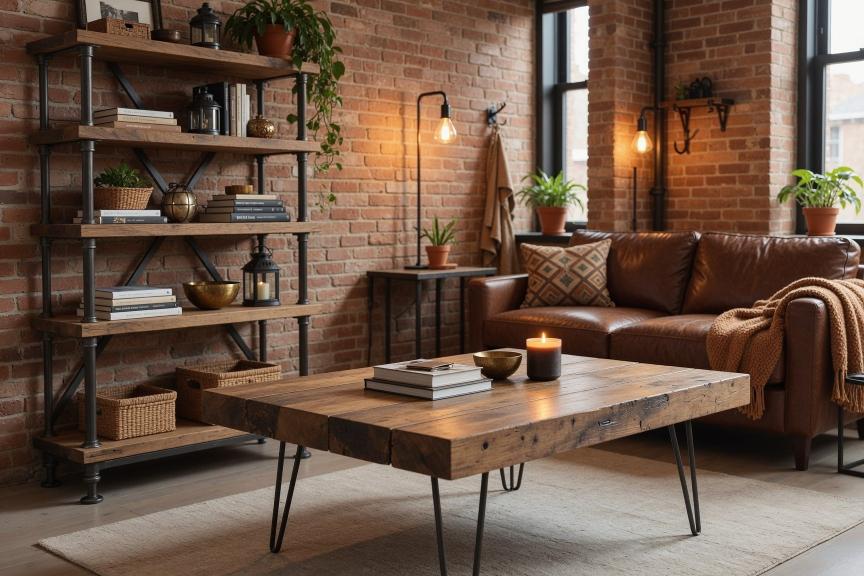
Mixed wood and metal furniture is the most creatively flexible and stylistically versatile approach to furnishing any room, allowing the warmth, organic character, and natural beauty of wood to coexist with the precision, structural clarity, and graphic quality of metal in combinations that are more interesting, more resolved, and more expressive of genuine design intelligence than either material used exclusively throughout a space. The most iconic and enduringly popular mixed material furniture forms, the hairpin leg table with its slender steel legs and solid wood top, the industrial shelf unit with its steel frame and reclaimed timber shelves, and the brass-legged marble side table, all achieve their distinctive quality precisely through the productive tension and complementary contrast between their material components.
The key to mixing wood and metal furniture successfully across an entire room is establishing a consistent material language that gives the combination a sense of intentionality and coherence rather than accidental eclecticism. Choosing metal components in a consistent finish throughout the room, whether matte black, brushed brass, or natural steel, ensures that the metal elements in different furniture pieces relate to each other as a family rather than appearing as unrelated individual choices. Similarly, maintaining a consistent wood tone across pieces, all warm oak, all dark walnut, or all light ash, creates a chromatic unity that allows the material variety of wood and metal to coexist as a deliberate design decision rather than a decorating inconsistency, producing rooms of genuine material richness and considered aesthetic complexity.