16 Budget-Friendly Tricks to Make Your Home Look Luxe
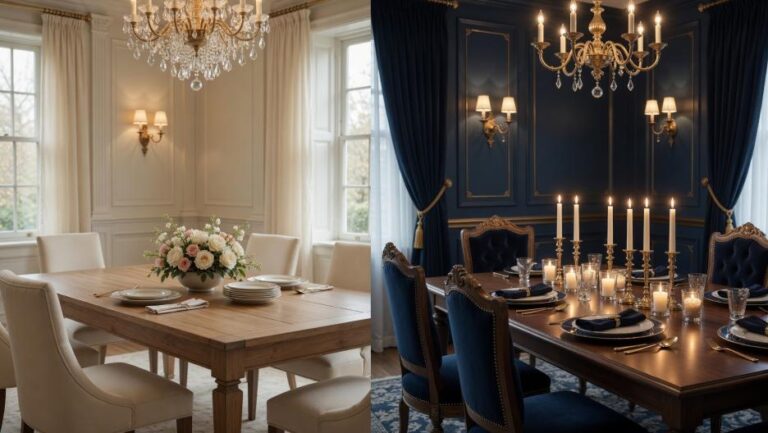
1. Paint Your Walls in a Rich, Sophisticated Color
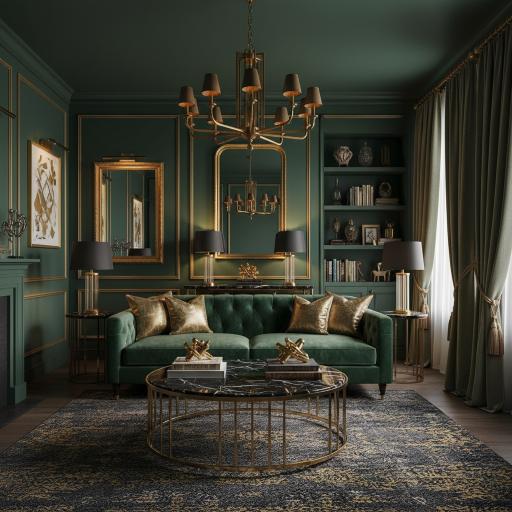
Painting your walls in a rich, sophisticated color is the single highest-impact and most budget-friendly transformation available in interior decorating, and the difference between a room painted in a builder-grade magnolia and one repainted in a considered, beautiful color is so dramatic and immediate that it consistently produces the most astonished before-and-after reactions of any home improvement project regardless of budget. A deep, moody green, a warm terracotta, a complex dusty blue, or a rich charcoal can transform an ordinary room into something that feels genuinely considered, designed, and expensive without changing a single piece of furniture or adding a single decorative object, simply through the power of color to define atmosphere and communicate aesthetic intention.
The psychological and visual mechanisms through which color creates a sense of luxury are well understood by interior designers and worth understanding as a homeowner making color decisions on a budget. Deep, saturated wall colors absorb and reflect light in ways that create a sense of depth, warmth, and spatial drama that pale, neutral walls simply cannot produce, and the enveloping quality of a room where walls, ceiling, and even woodwork are painted in the same rich tone creates an immersive atmosphere of considered, deliberate design that reads as expensive regardless of the actual cost of the paint used to achieve it. Choose your color with confidence, commit to it fully, and paint everything including the ceiling for maximum impact.
2. Swap Hardware on Cabinets and Doors
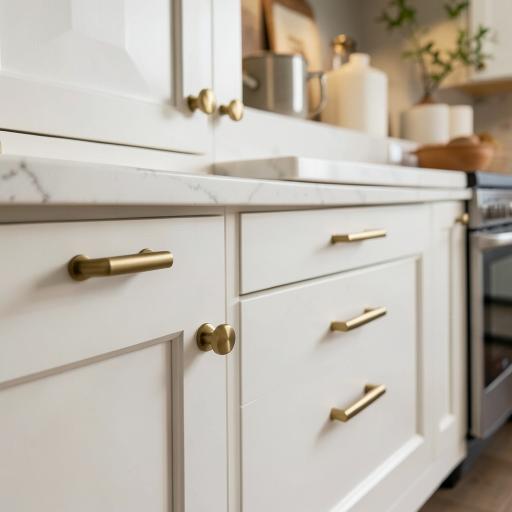
Swapping cabinet and door hardware is one of the most underrated and cost-effective home improvement tricks available, and the transformation that new hardware can deliver to a kitchen, bathroom, or bedroom is completely disproportionate to the modest cost and minimal effort the change requires. Hardware is the jewelry of a room, and just as the right jewelry elevates an ordinary outfit into something special and considered, the right hardware elevates ordinary cabinetry into something that reads as genuinely high-quality and thoughtfully designed. Builders’ grade chrome or brushed nickel handles replaced with brushed brass, matte black, or unlacquered brass equivalents can make an entire kitchen look as though it has been professionally renovated at a fraction of the cost of actual cabinet replacement.
The selection of hardware style matters as much as the finish, and choosing hardware with a clear design identity, whether the minimal precision of a slim bar pull, the organic warmth of a cast brass cup pull, or the architectural authority of an oversized plate handle, communicates a level of design intentionality that elevates the entire room. Measure your existing hardware carefully before ordering replacements, noting the center-to-center distance between fixing holes for bar pulls, and order a few extra pieces to account for any damaged or cross-threaded fixings you may encounter during installation. A consistent hardware finish used throughout an entire room, on every cabinet, drawer, and door, creates a cohesive, professionally designed quality that mismatched hardware can never achieve.
3. Add Crown Molding or Picture Rail
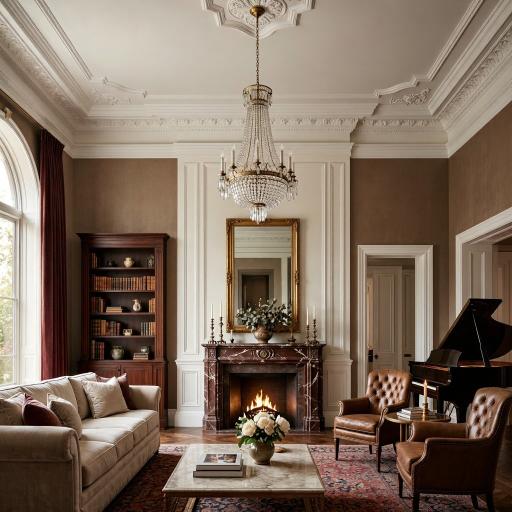
Crown molding and picture rail are among the most effective architectural details available for making a room look genuinely expensive, and their ability to add a sense of craftsmanship, permanence, and considered design to an otherwise plain room is well understood by property developers, interior designers, and anyone who has ever wondered why some rooms feel inherently more special and substantial than others with seemingly identical dimensions and furnishings. The junction between wall and ceiling is one of the most visually significant transitions in any room, and the addition of even a simple, modestly scaled crown molding at this junction immediately gives the room a finished, architectural quality that bare, unadorned wall-to-ceiling junctions entirely lack.
Modern lightweight polyurethane moldings offer an accessible and affordable alternative to the traditional plaster moldings of period properties, and their installation requires nothing more than a miter saw, construction adhesive, and a caulking gun to achieve results that are virtually indistinguishable from traditional plaster work once painted. Choose a molding profile that suits the scale and ceiling height of your room, with taller, more elaborate profiles working best in rooms with generous ceiling heights and simpler, more restrained profiles better suited to standard or lower ceilings where a large molding would feel overwhelming and proportionally incorrect. Paint the molding in the same white or off-white as the ceiling rather than matching the wall color for the most classic, architectural result.
4. Layer Your Lighting With Multiple Sources
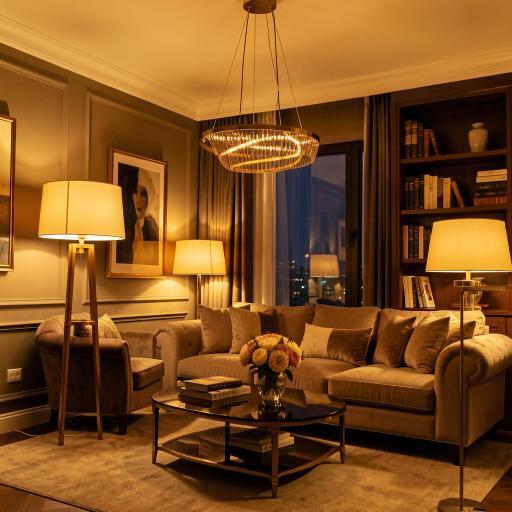
Layered lighting is the single most transformative non-structural change you can make to any room, and the difference between a room lit by a single central ceiling fixture and one illuminated by a thoughtfully layered combination of floor lamps, table lamps, wall lights, and candles is the difference between a room that merely contains furniture and one that feels like a genuinely luxurious, considered, and alive environment. Professional interior designers universally prioritize lighting above almost every other decorating decision precisely because its influence on the perceived quality, warmth, and sophistication of a space is so profound and because even the most beautiful room with poorly conceived lighting will fail to achieve the atmosphere its decoration deserves.
The budget-friendly approach to layered lighting involves working with what you have, upgrading the quality and warmth of your existing bulbs to the warmest available LED equivalents in the 2700 Kelvin range, adding a floor lamp and a table lamp to any room that currently relies on overhead lighting alone, and switching off the overhead light entirely in the evenings to allow the lower, warmer sources to create the atmospheric, intimate quality that overhead lighting structurally cannot provide. A single quality floor lamp with a linen or paper shade positioned beside a sofa or reading chair will do more for the perceived luxury of a living room than almost any furniture purchase at a comparable or much higher price point.
5. Invest in Quality Bedding and Throws
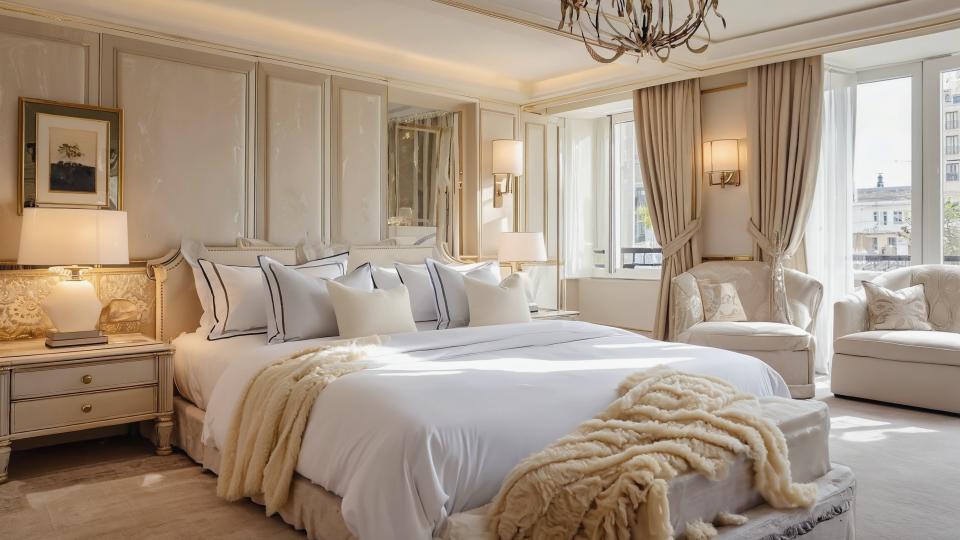
Quality bedding is the most intimate and daily-experienced luxury in the entire home, and the transformation that a set of genuinely beautiful bed linen delivers to a bedroom is both visual, making the room look like a boutique hotel suite in every morning photograph, and physical, making every single night’s sleep a more sensory pleasurable and restorative experience than the night before it. The investment in quality bedding is also one of the most cost-efficient luxury upgrades available when considered over the length of use, as a set of high-quality linen or long-staple cotton sheets used daily for ten years represents a daily luxury cost of extraordinary modesty compared to the consistent, measurable improvement in the quality of life they provide.
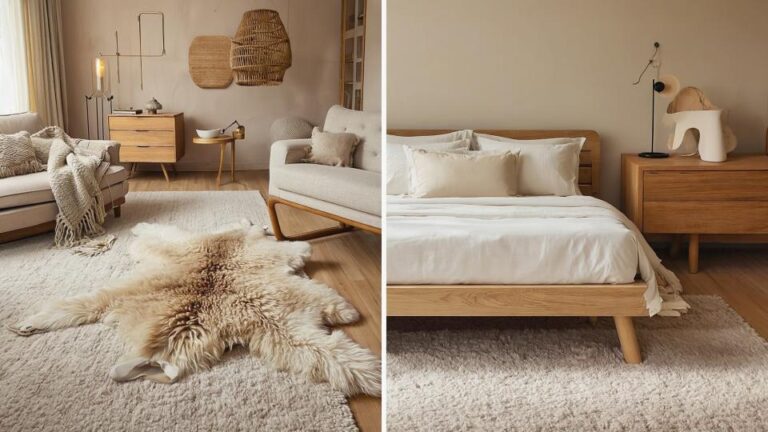
Linen bedding is the most universally admired and Pinterest-celebrated bedding material for the luxurious yet relaxed aesthetic it creates, with its characteristic slight texture, beautiful drape, and tendency to look increasingly beautiful and relaxed rather than deteriorating with washing and use. A layered bedding arrangement of white or neutral linen sheets, a linen duvet cover, three or four carefully chosen pillows in coordinating textures, and a quality throw folded at the foot of the bed in a complementary tone creates the quintessential boutique hotel bedroom aesthetic that has become the most aspirational bedroom look on Pinterest worldwide. The total investment required to achieve this look is modest compared to the furniture changes that would produce a lesser visual impact.
6. Hang Curtains Higher and Wider
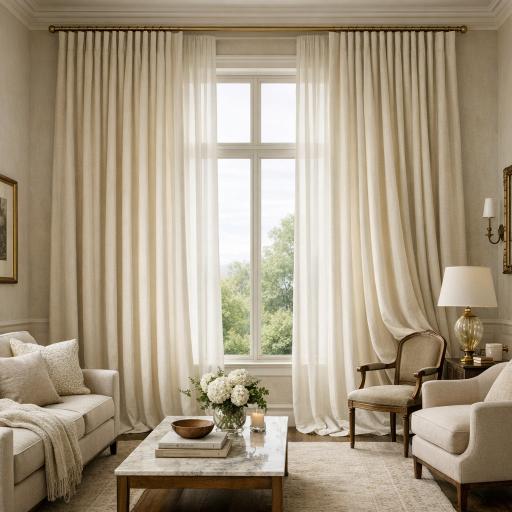
Hanging curtains higher and wider than the actual window frame is one of the oldest and most reliable tricks in the interior designer’s repertoire, and its ability to make any window look taller, more grand, and more architecturally impressive at zero additional cost beyond the curtains themselves makes it the most immediately impactful window treatment adjustment available. Mounting the curtain rod as close to the ceiling as possible and extending it thirty to forty centimeters beyond the window frame on each side creates the visual impression of a window that is significantly larger and more impressive than it actually is, and allows the full natural light of the window to enter the room unobstructed when the curtains are drawn back during the day.
The fabric and hanging style of the curtains themselves contribute significantly to the luxurious quality of the finished result, and choosing curtains with enough fabric fullness to create generous, pleated folds when drawn is essential for achieving the rich, expensive appearance of properly hung curtains rather than the flat, insufficient look of undertrimmed window dressings. A curtain that is at least two to two and a half times the width of the window in its fabric fullness will hang with the kind of generous, hotel-quality drape that immediately reads as expensive and considered, while a curtain of insufficient fullness will appear mean and disappointing regardless of the quality of the fabric itself. Floor-to-ceiling length is non-negotiable for achieving the luxurious result.
7. Add Mirrors to Create Space and Light
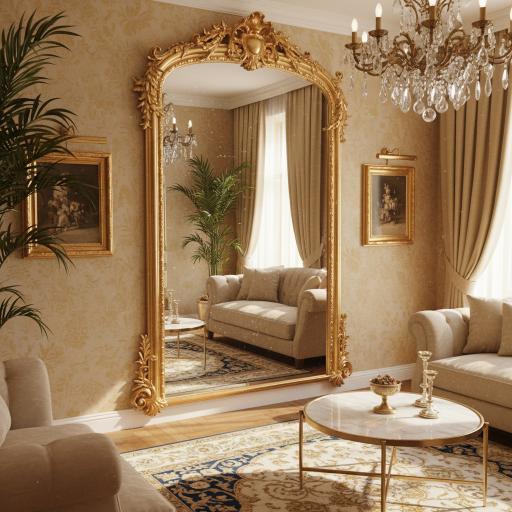
Mirrors are among the most powerful and cost-effective tools available for making a home look and feel more expensive, and their ability to simultaneously increase the perceived size of a room, amplify natural and artificial light, and add a decorative element of genuine elegance and visual drama makes them one of the most consistently recommended budget luxury upgrades in the entire interior design canon. A large, well-framed mirror hung in a strategic position, opposite a window to double the apparent daylight, in a dark hallway to create depth and light where none existed, or above a fireplace as a traditional focal point enhancement, delivers a visual impact entirely disproportionate to its cost compared to any structural or furniture-based alternative.
The frame of a mirror is as important as the mirror itself in communicating a sense of luxury and design intention, and choosing a frame with genuine presence and character, whether an ornate carved gold frame for a classically luxurious effect, a clean architectural frame in brushed brass for a contemporary take on the same material richness, or a simple chunky natural wood frame for organic warmth and substance, ensures that the mirror functions as both a light-amplifying tool and a genuine decorative statement. Vintage and antique mirrors found in charity shops, flea markets, and online resale platforms frequently offer the most beautiful and characterful frames at a fraction of the cost of new equivalents, and the slight foxing and patina of aged mirror glass adds a layer of authentic character that new mirrors cannot replicate.
8. Style Bookshelves Like a Designer
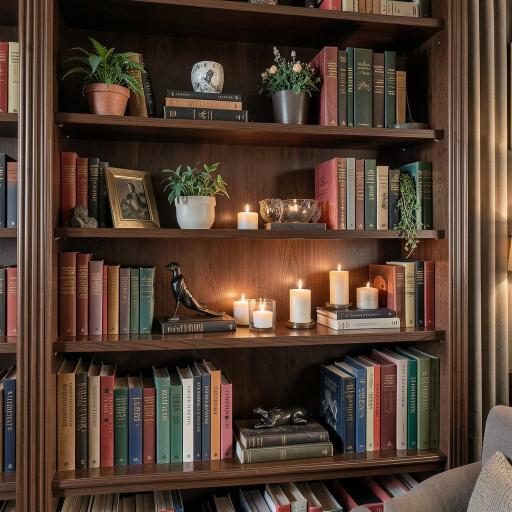
Styling bookshelves with genuine design intention is one of the most powerful and entirely free ways to make your home look more expensive and considered, and the difference between a shelf filled randomly with whatever books and objects have accumulated over time and one that has been thoughtfully styled with attention to composition, color, and the balance between books and decorative objects is so dramatic that it can transform the entire perceived quality of a room without a single purchase. Professional interior stylists spend considerable time and charge considerable fees for their expertise in exactly this skill, and understanding their principles allows you to achieve comparable results entirely independently.
The most consistently beautiful and Pinterest-admired shelf styling arrangements organize books by color rather than by author or subject, creating chromatic sections that read as a deliberate decorative composition rather than a utilitarian reference library. Intersperse book sections with small sculptural objects, a single plant, a framed artwork leaned casually against the back of the shelf, a stack of oversized coffee table books laid horizontally, and a simple candle to create the layered, edited composition that distinguishes a designer-styled shelf from an ordinary storage solution. Remove at least thirty percent of what is currently on your shelves before beginning to restyle, as the most luxurious-looking shelf arrangements always incorporate generous negative space as an intentional compositional element.
9. Use Large Format Rugs to Ground Every Room
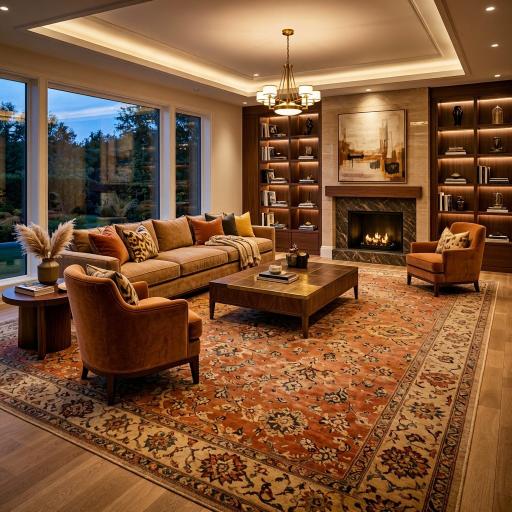
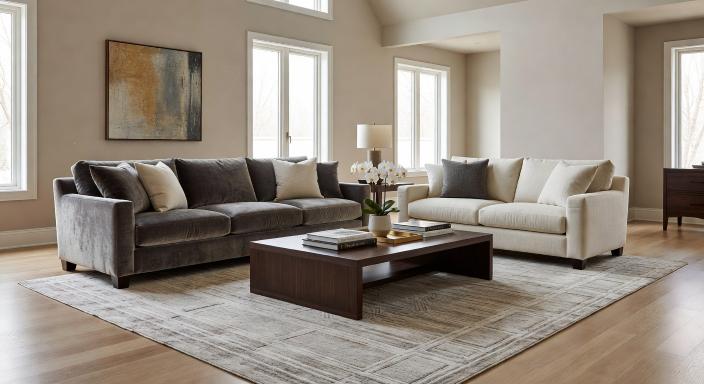
A correctly sized area rug is one of the most impactful and often underestimated contributors to the perceived luxury and design quality of any room, and the single most common rug mistake that makes a room look cheaper and less considered than it could is choosing a rug that is too small for the space it is meant to occupy and the furniture arrangement it is meant to anchor. A rug of appropriate scale, large enough for all the front legs of the surrounding furniture to sit on it, or ideally all four legs of every piece in the arrangement, creates a sense of spatial cohesion, warmth, and intentional design that a small rug floating in the center of a large furniture arrangement completely fails to provide and actively undermines.
The investment in a larger rug than you initially think you need is consistently one of the best value-for-money decorating decisions available, as the improvement in the room’s perceived quality and spatial coherence is immediate and dramatic. If a new large-format rug is beyond the current budget, layering a smaller decorative rug over a large, affordable jute or natural fiber base rug creates the same spatial grounding effect at a significantly reduced cost, with the added visual interest of the layered rug aesthetic that is itself a design-forward choice. Measure your room and furniture arrangement before purchasing, and go one size larger than your first instinct suggests as a consistent rule that will reliably improve your results.
10. Declutter and Edit Ruthlessly
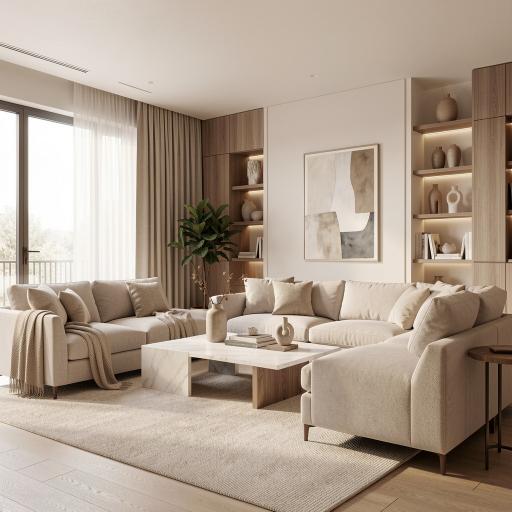
Decluttering and editing your possessions is the most completely free and arguably the most immediately impactful luxury upgrade available to any home, and the profound improvement in the perceived quality, calm, and sophistication of a room that results from removing the accumulated objects that have no business being on display is consistently the most surprising and rewarding discovery that homeowners make when they commit to a genuine and thorough editing process. Luxury interiors, from five-star hotel rooms to the homes of the genuinely wealthy, are almost universally characterized by the presence of very few, very beautiful things rather than the accumulation of many ordinary ones, and this lesson is available to anyone regardless of budget.
The editing process requires a particular kind of honest self-assessment that goes beyond the basic decluttering advice to remove things you no longer use or need, asking instead whether each displayed object is genuinely beautiful, meaningful, or both in sufficient measure to justify its presence on a visible surface in your home. Remove anything that fails this test to a cupboard, a storage box, or the charity shop, and then reassess the room with its reduced population of objects. The space that opens up between the remaining pieces almost always reveals that they were competing with each other for visual attention before, and that the room with fewer things of genuine quality communicates a level of discernment and design confidence that the crowded version of the same room could never achieve.
11. Add Architectural Interest With Panelling
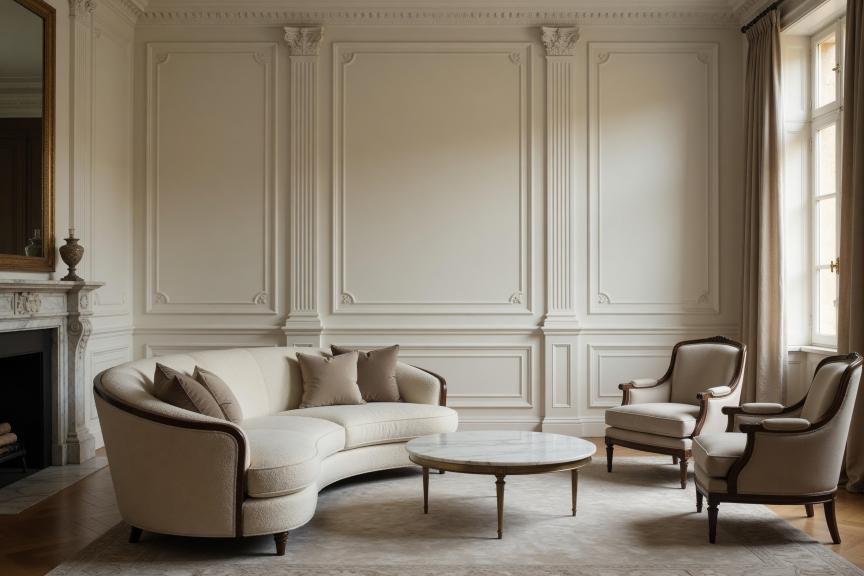
Wall panelling is one of the most transformative architectural upgrades available for making an ordinary room look genuinely expensive and considered, and the contemporary revival of panelling as a decorating technique has made it one of the most widely saved and discussed interior design topics on Pinterest as homeowners discover its remarkable ability to add depth, rhythm, and architectural character to plain, featureless walls at a cost that is very modest relative to the visual impact delivered. Traditional raised and fielded panel mouldings applied to walls in a regular grid pattern create the effect of the kind of carefully crafted joinery that was historically a mark of genuine quality construction, communicating a sense of substance and craftsmanship that plain plaster walls by definition cannot provide.
Modern panel mouldings in lightweight MDF or polyurethane are available in a huge variety of profiles and can be applied directly to existing plaster walls using construction adhesive and finishing nails, filled and painted over to create a seamless, architectural surface that looks as though it was always part of the room’s original construction. Paint the entire panelled wall, mouldings, panels, and surrounding wall surface alike, in a single color for the most sophisticated and contemporary result, choosing a tone that is rich enough to justify the architectural detail it will frame and illuminate. A panelled wall painted in a warm off-white, a deep moody green, or a rich midnight blue creates an immediate impression of quality and considered design that elevates the entire room.
12. Bring In Real Plants and Botanicals
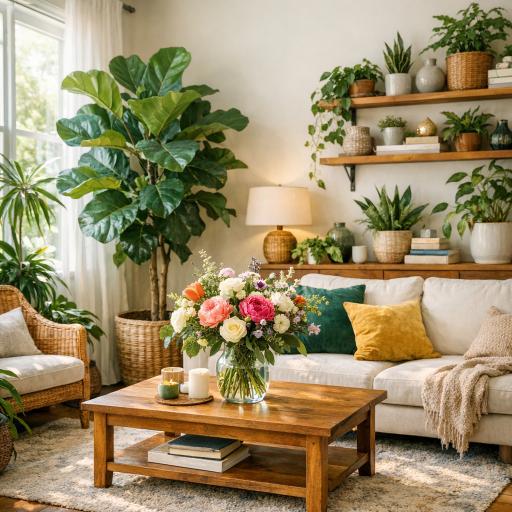
Real plants and fresh flowers are among the most life-affirming and accessible luxury additions available to any home, and their ability to add color, organic form, living texture, and an immediate sense of vitality and care to a room at a very modest cost makes them one of the most consistently recommended and universally beloved budget decorating upgrades. A room with beautiful, healthy plants communicates something important and attractive about the person who tends them, suggesting a relationship with the natural world, an attentiveness to living things, and an appreciation for organic beauty that makes the space feel genuinely inhabited and loved rather than simply furnished and decorated.
The most impactful plant strategy for a budget luxury home makeover is to invest in one large, architecturally significant floor plant rather than many small ones, as a single generously scaled fiddle leaf fig, monstera, or olive tree in a beautiful pot creates far more visual impact and perceived luxury than a collection of small, scattered plants that individually lack the scale to make a genuine design statement. Choose a pot in a material and finish that coordinates with your room’s palette and aesthetic, white ceramic, raw terracotta, or matte concrete being the most versatile and timeless choices, and position the plant where its form will be clearly seen and appreciated from the primary viewpoint into the room. Fresh flowers on a coffee table or dining table, changed weekly, add an almost incomparable freshness and luxury to any domestic space at a very modest ongoing cost.
13. Use Trays to Style and Organize Surfaces
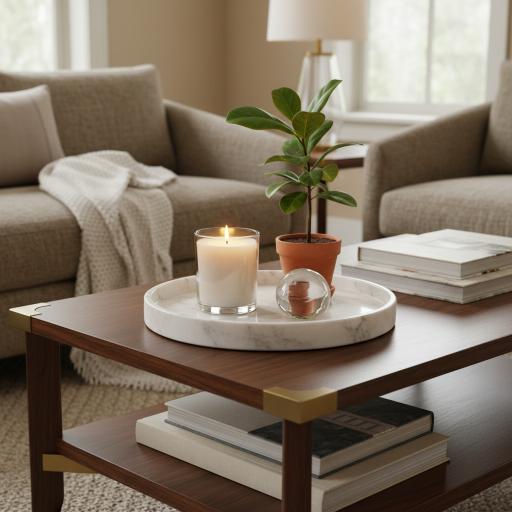
Trays are one of the most powerful and underappreciated styling tools available in interior decorating, and their ability to transform a collection of individual objects on a surface into a single, unified, intentional composition is the secret behind the consistently beautiful coffee table and countertop arrangements that appear in every professionally styled interior photograph. By containing a group of objects within the defined boundary of a tray, you simultaneously create a sense of organizational intentionality that the same objects without a tray would lack, and provide a visual frame that focuses attention on the objects within it as a curated display rather than allowing them to appear as random accumulation.
The tray itself is a decorative object in its own right, and choosing one with genuine material quality and beauty, a marble tray with natural veining, a lacquered wooden tray in a deep jewel tone, a hammered brass tray with warm metallic reflectivity, or a woven rattan tray with natural organic texture, adds a layer of material sophistication to the surface arrangement that elevates everything displayed within it. Style the tray with a strict maximum of three to five objects of varying heights and textures, typically combining a candle, a small plant or single stem in a simple vessel, and one sculptural object, for the kind of restrained, considered arrangement that looks professionally styled without requiring professional expertise to achieve.
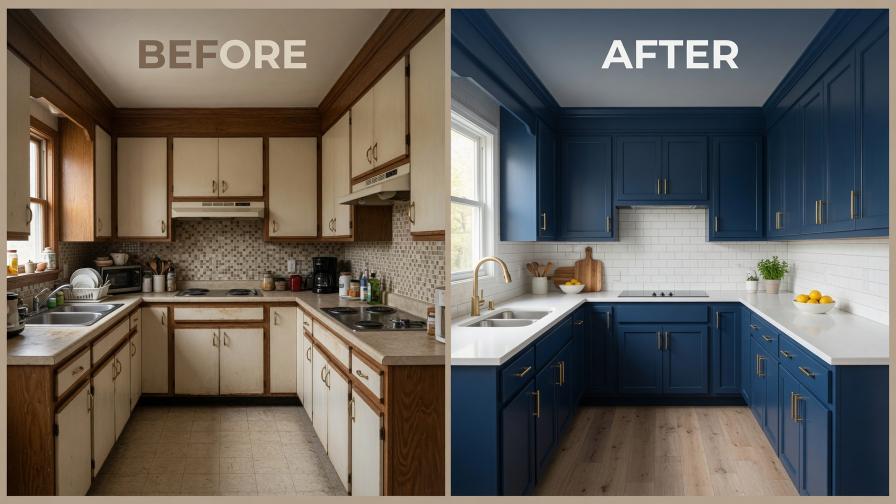
14. Paint or Reface Kitchen Cabinets
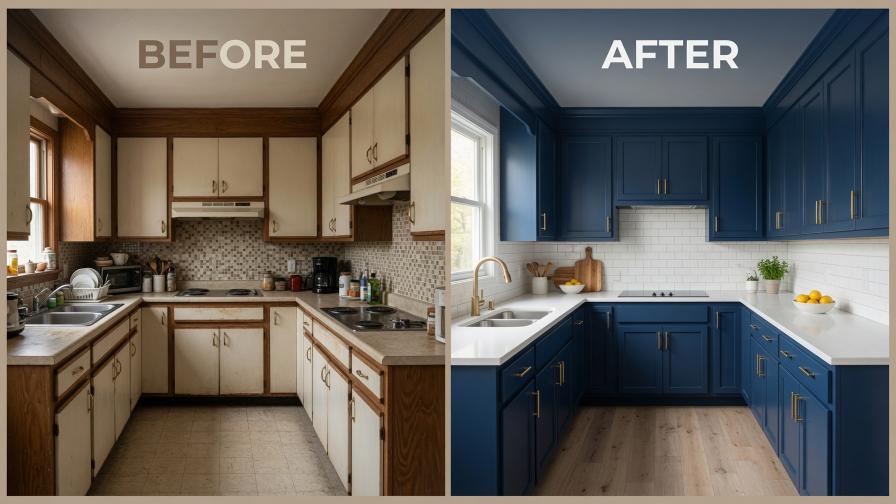
Painting or refacing kitchen cabinets is the highest-impact budget home improvement project available for the kitchen space, delivering a transformation so dramatic and complete that the finished result is frequently mistaken for an entirely new kitchen installation at a fraction of the cost that genuine cabinet replacement would require. The kitchen is the room where the perceived quality of the home has the most influence on both the daily experience of the people who live there and the overall assessment of the property’s value and desirability, making it the most strategically important room to prioritize when allocating a limited home improvement budget for maximum impact and return.
The quality of the preparation and painting process is the decisive factor in whether a painted kitchen cabinet project looks genuinely high-end or simply like painted cabinets, and investing the time in thorough degreasing, sanding, priming, and applying multiple thin coats of a high-quality cabinet-specific paint in a satin or semi-gloss finish is the difference between a result that looks professional and one that disappoints. Deep navy, forest green, warm charcoal, and rich off-white are the most consistently beautiful and currently fashionable cabinet colors, each communicating a different aesthetic character while sharing the quality of being sophisticated, considered color choices that immediately distinguish a deliberately designed kitchen from a default, unconsidered one. Combine freshly painted cabinets with new hardware for a total kitchen transformation of extraordinary value.
15. Frame and Hang Affordable Art Thoughtfully
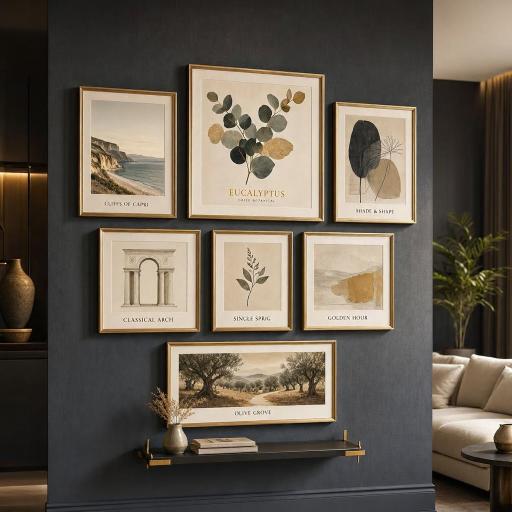
Framing and hanging artwork thoughtfully is one of the most accessible and creatively satisfying ways to make a home look genuinely expensive and personally considered, and the good news for anyone decorating on a budget is that the perceived quality of a wall arrangement depends far more on the quality and consistency of the framing, the thoughtfulness of the arrangement, and the confidence of the hanging decisions than on the monetary value or provenance of the artwork itself. A collection of inexpensive botanical prints, vintage maps, abstract compositions downloaded from online art platforms, or even beautiful pages from coffee table books, framed consistently in quality frames and hung with genuine compositional intention, creates a wall arrangement of real beauty and apparent sophistication.
The frame is everything in affordable art display, and investing the majority of your art budget in quality frames rather than expensive original artwork is the counterintuitive strategy that produces the most luxurious results. A simple, clean frame in a consistent finish, whether gallery-standard black, natural wood, or classic white, used consistently across all pieces in a wall arrangement, creates a cohesive, gallery-quality presentation that elevates even the most modest artwork to a level of apparent seriousness and intentionality. Hang artwork at consistent eye level throughout the home, use a spirit level for precise horizontal alignment, and space pieces with genuine attention to the quality of the gaps between them, as the negative space in a well-considered wall arrangement is as carefully considered as the artwork itself.
16. Invest in One Statement Piece Per Room
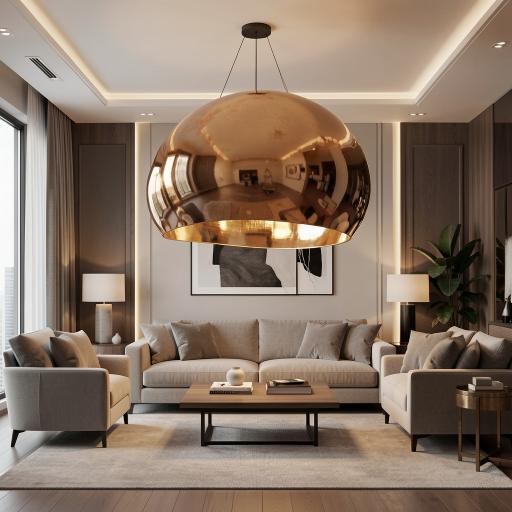
Investing in one genuinely exceptional statement piece per room is the most strategically intelligent approach to decorating a home on a limited budget, concentrating available resources on single items of real quality and visual authority rather than distributing the same budget across many mediocre pieces that individually lack the presence to elevate the room and collectively create a sense of visual noise and budget limitation that no amount of careful arrangement can fully disguise. The principle that one beautiful thing in a simple room looks more expensive and more considered than many ordinary things in a busy one is one of the most consistently validated observations in interior design, and it is a principle that specifically advantages those decorating on a budget over those with unlimited resources.
The statement piece you choose for each room should be the element that commands immediate attention upon entering the space and around which all other decorating decisions are organized and subordinated. An extraordinary pendant light above a dining table that makes every other element in the room look more considered by association, a genuinely beautiful sofa in a quality fabric that anchors a living room of otherwise modest furnishings, a dramatic piece of artwork that transforms a bedroom wall from a background into a focal point, or an unusual vintage find that brings irreplaceable character and personality to an entrance hall, each of these has the authority to define the aesthetic character of an entire room and make everything around it look better than it would in the absence of that single exceptional anchor piece.