14 Ways to Choose the Perfect Home Decor Style
1. Start by Auditing What You Already Love
Before browsing a single design website or visiting a single furniture showroom, the most revealing and honest starting point for identifying your personal decor style is a careful audit of what you already own, display, and love in your current home. Walk through every room and photograph the objects, colors, and arrangements that give you genuine pleasure — the items you chose instinctively rather than practically. These pieces collectively tell the story of your aesthetic preferences with far more accuracy than any online style quiz or magazine feature ever could from the outside.
Look for recurring patterns in the things you have naturally gravitated toward across years of purchasing and collecting without a conscious style brief in mind. Do you consistently reach for natural materials — wood, rattan, linen, and stone? Do bold colors and graphic patterns energize you, or do quiet neutrals and tonal layers calm and satisfy you most deeply? The answers are already present in your home, waiting to be read as a coherent visual language that forms the authentic foundation of your perfect personal decor style developed instinctively over your entire adult life.
2. Create a Pinterest Mood Board Before Buying Anything
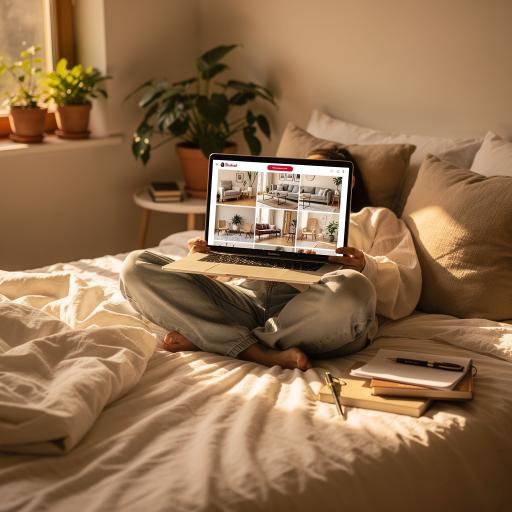
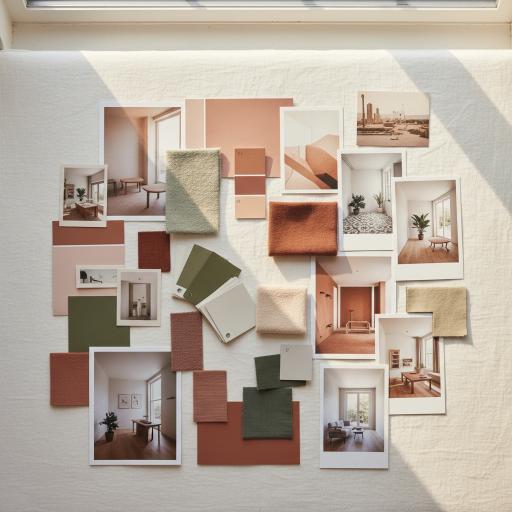
A dedicated Pinterest mood board created before making any purchasing decisions is the single most powerful and cost-free tool available for clarifying your home decor direction — and the reason professional interior designers use exactly this technique at the beginning of every client project regardless of budget or scale. Save images instinctively and generously for at least two weeks without editing or second-guessing your choices. Pin everything that makes you pause while scrolling — a color combination, a furniture arrangement, a lighting moment, a textile texture — without trying to understand why it appeals to you in that moment.
After two weeks of instinctive saving, review your board with fresh eyes and look for the patterns that have emerged organically from your unconscious aesthetic preferences. You will almost certainly find a dominant palette of three to four colors appearing repeatedly, a consistent preference for either minimal or layered styling, and a recurring selection of specific materials and furniture silhouettes across different rooms and styles. These patterns are your personal decor style speaking clearly and specifically — a far more reliable guide than any prescribed style label that a magazine or algorithm might assign to you based on a brief questionnaire.
3. Identify Your Non-Negotiable Comfort Requirements
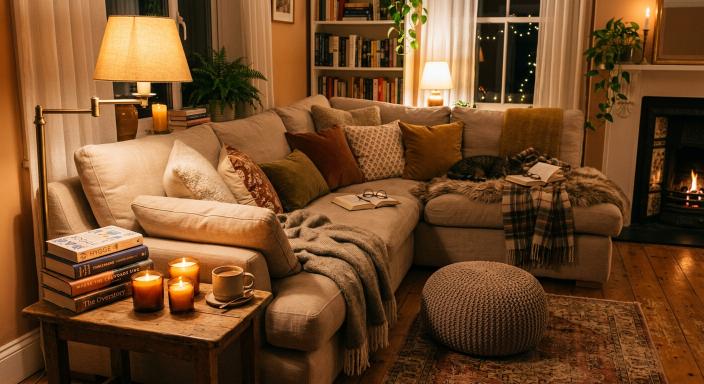
Every genuinely successful home decor style is built on a foundation of how you actually live rather than how you imagine a beautifully styled home should look from the outside. Before committing to any aesthetic direction, identify your absolute non-negotiable comfort requirements — the physical and sensory conditions without which no room will ever feel truly like home regardless of how beautifully it is decorated or how perfectly it photographs for social media. These requirements are deeply personal and entirely valid, and they must take precedence over every aesthetic consideration in the hierarchy of design decisions.
For some homeowners, an oversized, deeply cushioned sofa is entirely non-negotiable — which immediately rules out the sleek, firm seating of a strict minimalist or mid-century modern interior. For others, a clutter-free visual environment is essential to daily mental wellbeing — which rules out maximalist layering regardless of how beautiful those rooms appear in photographs. Knowing your non-negotiables before you begin decorating saves you from making expensive purchases that look right but feel wrong in daily lived reality, and focuses your creative energy on styles that can accommodate your actual life rather than requiring you to adapt your behavior to suit the aesthetic requirements of the style itself.
4. Study the Core Characteristics of Each Major Style
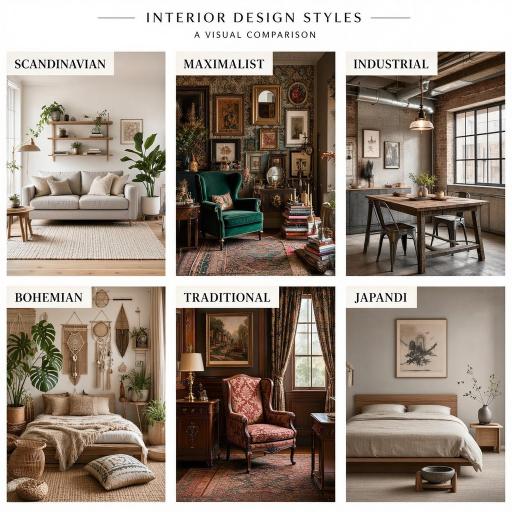
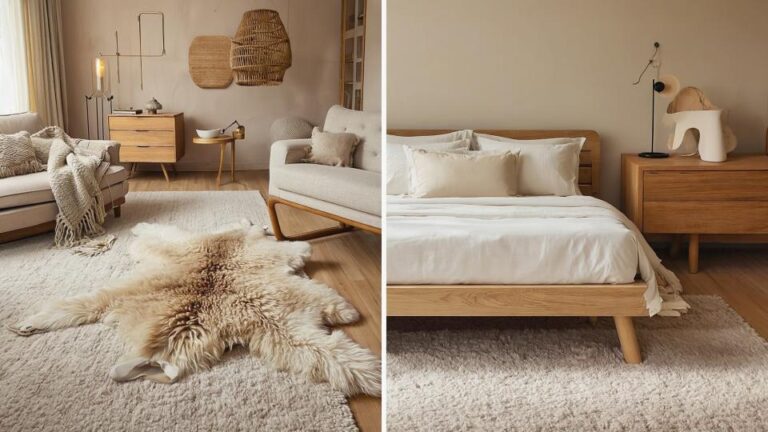
Understanding the defining characteristics, key materials, signature color palettes, and essential furniture silhouettes of the major home decor styles gives you a precise visual vocabulary for articulating what you want and a clear filter for evaluating every potential purchase against your chosen direction. Scandinavian style is defined by functional minimalism, natural light, pale woods, white walls, and cosy textile layering. Industrial style favors exposed brick, raw metal, concrete surfaces, and utilitarian furniture with visible structural elements. Japandi combines Japanese wabi-sabi philosophy with Scandinavian functionalism into a refined, nature-connected minimalism with extraordinary depth and warmth.
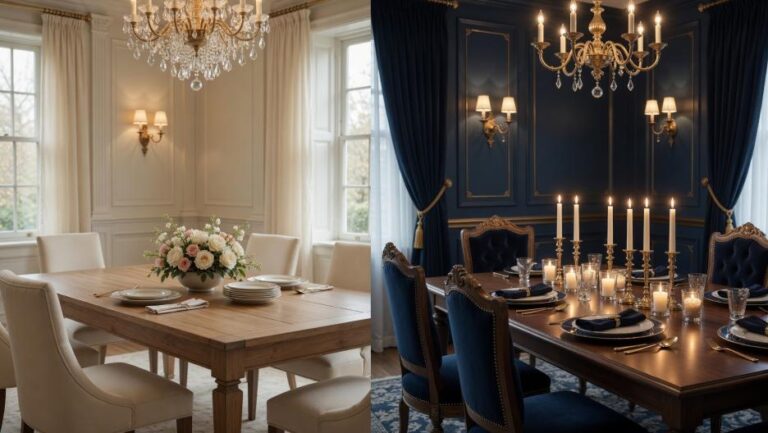
Bohemian style celebrates global textiles, collected objects, layered rugs, abundant plants, and the comfortable evidence of a well-traveled, creative life lived without apology or restraint. Traditional style draws on classical European design with symmetrical arrangements, antique or antique-inspired furniture, rich fabrics, and the accumulated patina of objects that appear to have been gathered over generations rather than purchased in a single shopping session. Maximalism embraces abundance, pattern mixing, bold color, and the philosophy that more is always more when everything is chosen with genuine passion and curatorial intentionality. Knowing these characteristics transforms style selection from an emotional guessing game into an informed, confident creative process.
5. Consider Your Architecture as a Style Guide
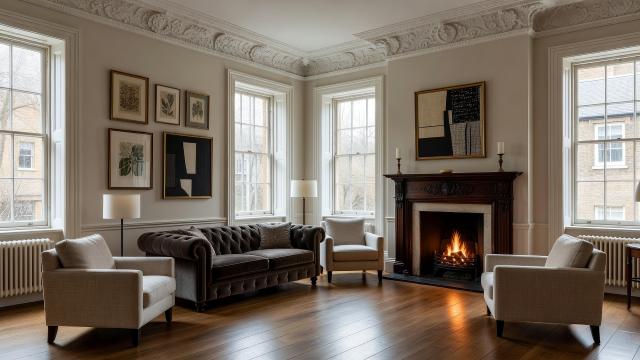
The existing architecture of your home is perhaps the most underutilized and most powerful style guide available to any homeowner — a built-in creative brief that, when honoured rather than ignored, produces interiors of extraordinary coherence and character that feel as though they have grown organically from the building itself rather than been imposed upon it from the outside. A Victorian terrace with original cornicing, sash windows, and marble fireplaces is whispering a very specific aesthetic direction that contemporary minimalism will fight against rather than complement. A nineteen sixties open-plan bungalow with clerestory windows and exposed beams is calling loudly for mid-century modern furniture and warm, organic materials.
Working with your architecture rather than against it does not mean slavishly recreating a period interior at the expense of contemporary comfort and personal expression — it means identifying the architectural language of the building and finding a decor style that speaks the same language fluently while adding your own contemporary chapter to the ongoing narrative of the space. Original floorboards, exposed brick, ceiling roses, industrial steel windows, and vaulted ceilings are each an invitation to a specific aesthetic conversation that the most successful home interiors accept, develop, and enrich with genuine creative intelligence and respect for the building’s own history and character.
6. Define Your Color Comfort Zone First
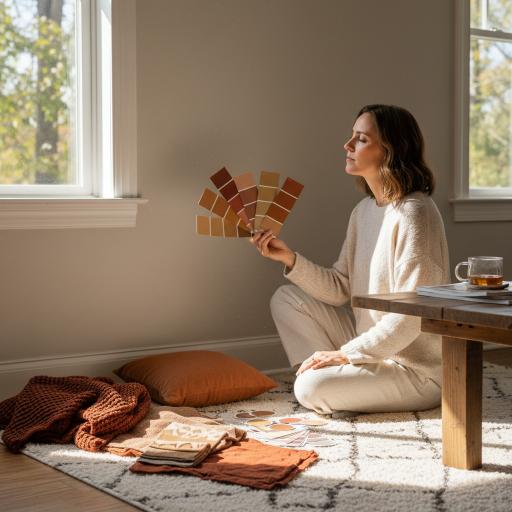
Color is the single most emotionally charged element of any home decor style and the one area where personal psychology must override every external trend, designer recommendation, and social media influence without exception or compromise. Before selecting a decor style, define your personal color comfort zone — the palette of colors that you find genuinely calming, energising, or pleasurable to be surrounded by for extended periods during the ordinary hours of daily domestic life. This is not about the colors you admire in photographs but the colors you could live inside comfortably and happily for years without wanting to change them.
People who feel most at ease surrounded by warm, earthy tones — terracotta, warm white, ochre, and soft olive — will thrive in bohemian, Mediterranean, or warm Scandinavian interiors but feel uncomfortable in cool, crisp contemporary or industrial schemes regardless of how beautifully those styles are executed. People who find deep visual satisfaction in cool, serene palettes of grey, blue-white, and soft sage will feel genuinely at home in contemporary minimalist or Japandi interiors. Identifying your color comfort zone before choosing a style eliminates the most common source of expensive decorating regret and ensures your finished home feels genuinely restorative rather than merely impressive to look at in photographs.
7. Let Your Lifestyle Dictate Your Style Boundaries
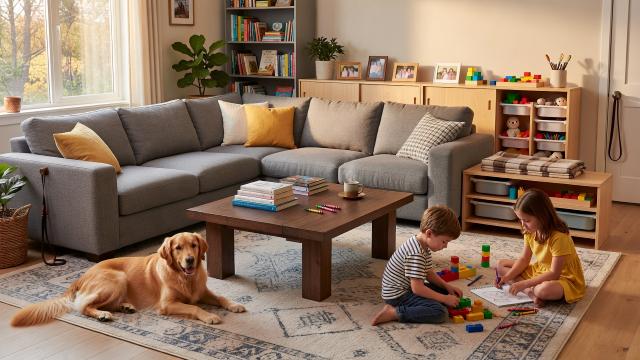
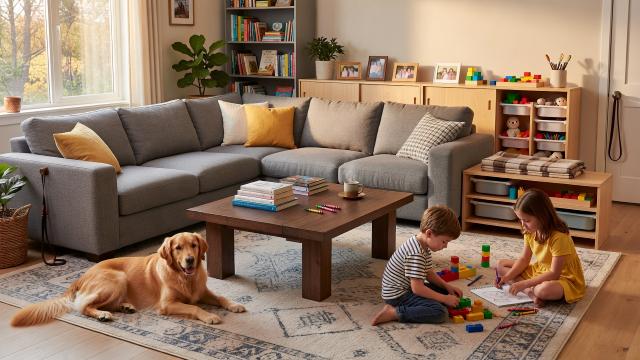
The most beautiful home decor style in the world fails completely if it cannot coexist with the realities of how you and your household actually live every single day — and the most common source of expensive decorating regret is choosing an aspirational style that suits the imagined version of your life rather than the actual one. A strict minimalist interior requires daily maintenance discipline that suits single professionals or couples without children but becomes a source of constant frustration and anxiety in a household with young children, pets, and the inevitable beautiful chaos of genuinely active family life.
Before committing to any decor style, map your lifestyle honestly and without flattering embellishment across a typical week. Do you cook extensively and entertain frequently? Do children and pets share every room? Do you work from home and need the living space to transition fluidly between professional and domestic functions? Do you collect passionately and want your collections displayed rather than hidden? A decor style that accommodates your actual daily routines, your household’s real energy levels, and your genuine maintenance capacity will bring you more lasting satisfaction than any aspirational style choice made primarily on the basis of how it looks in a perfectly styled, professionally photographed, occupant-free interior image.
8. Visit Real Spaces Rather Than Relying on Screens Alone

The digital world of interior design inspiration — Pinterest, Instagram, design blogs, and online showrooms — is an extraordinary and genuinely valuable resource, but it has one fundamental and irreplaceable limitation that every homeowner must understand before making significant purchasing decisions based on screen-mediated images alone. Screens cannot communicate the most important qualities of any material, furniture piece, or interior space — the weight of a fabric, the warmth of a timber, the true scale of a sofa in relation to a human body, the way a paint color changes throughout the day in real three-dimensional light rather than the controlled flash illumination of a professional photographic studio.
Visit furniture showrooms, design-led hotels, well-appointed restaurants, show homes, and the beautifully decorated homes of design-conscious friends to experience interior styles in real three-dimensional space with your own senses rather than through a screen. Sit on the sofas. Run your hands across the textiles. Observe how the lighting changes the colors throughout the day. Notice which rooms make you feel immediately comfortable and which ones impress intellectually but leave you feeling subtly uncomfortable or tense. These embodied, sensory responses to real spaces are far more reliable guides to your genuine stylistic preferences than any number of saved pins or double-tapped Instagram posts could ever provide to even the most visually educated homeowner.
9. Mix Styles Intentionally Rather Than Defaulting to One Label
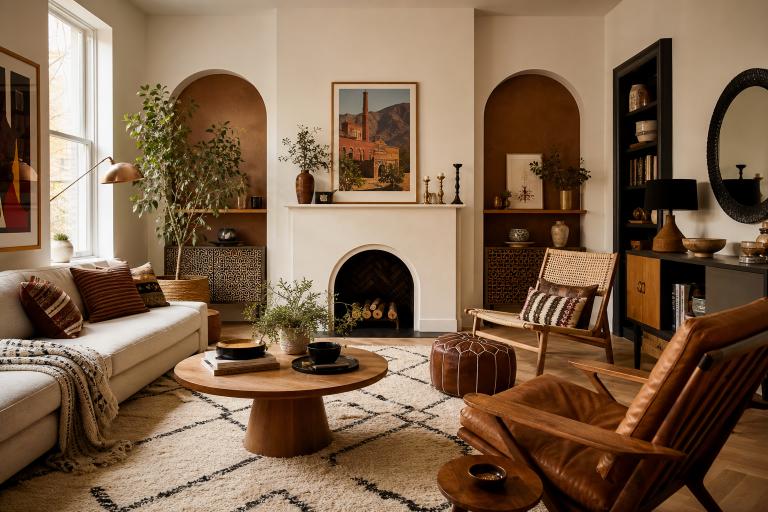
The most interesting, characterful, and personally authentic home interiors in the world are almost never the pure expression of a single named style but rather the confident, intentional mixing of elements from multiple aesthetic traditions in ways that reflect the actual complexity of a real human personality with genuinely varied tastes, experiences, and influences. Giving yourself permission to mix styles deliberately — rather than feeling obligated to stay within the boundaries of a single named aesthetic — is one of the most liberating and creatively rewarding decisions any homeowner can make in the decorating process.
The critical distinction between a successful eclectic mix and a merely confused space is intentionality and coherence — the sense that each element has been chosen deliberately rather than accumulated accidentally. Achieve this coherence through a consistent color palette that unites disparate furniture styles, through repetition of a single material across pieces from different traditions, or through a consistent scale and proportion across all furniture choices regardless of their stylistic origin. A Moroccan wedding blanket draped over a Scandinavian sofa beside a mid-century lamp on a traditional side table is not confused — it is a sophisticated, personal statement that no single style label could ever fully express or contain within its prescribed aesthetic boundaries.
10. Invest in One Statement Piece That Defines the Direction
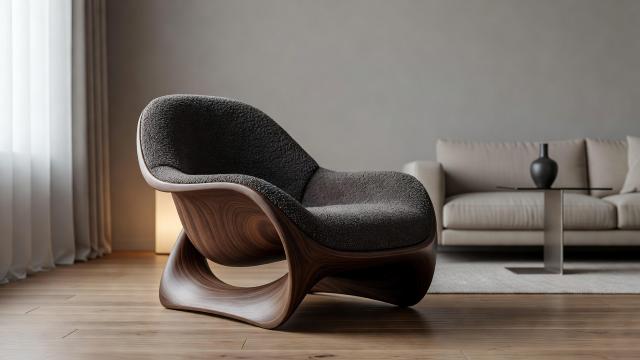
One of the most powerful and practically effective strategies for finding and committing to a home decor style is to identify and invest in a single extraordinary statement piece — a sofa, a dining table, an armchair, a light fitting, or a piece of art — that so completely embodies your desired aesthetic direction that every subsequent purchase decision can be evaluated against it as an objective reference point. This anchor piece does the work of ten smaller pieces in defining the room’s character and gives you a clear, physical, three-dimensional style brief to shop against rather than the abstract and easily distorted memory of a mood board image viewed on a screen.
A sculptural bouclé curved sofa immediately announces a soft, contemporary, tactile aesthetic direction. A vintage Chesterfield sets a traditional-meets-eclectic tone. An Eames lounge chair signals mid-century modernist values with architectural confidence. A hand-knotted Moroccan rug in layered jewel tones establishes a bohemian warmth and global eclecticism. Once your statement anchor piece is in place, the remaining room decisions — paint color, additional furniture, textiles, lighting, and accessories — become significantly easier, faster, and more confident because you have a definitive aesthetic standard to measure every option against with clarity and decisiveness in every subsequent purchasing decision you make.
11. Use Texture to Add Depth to Any Style
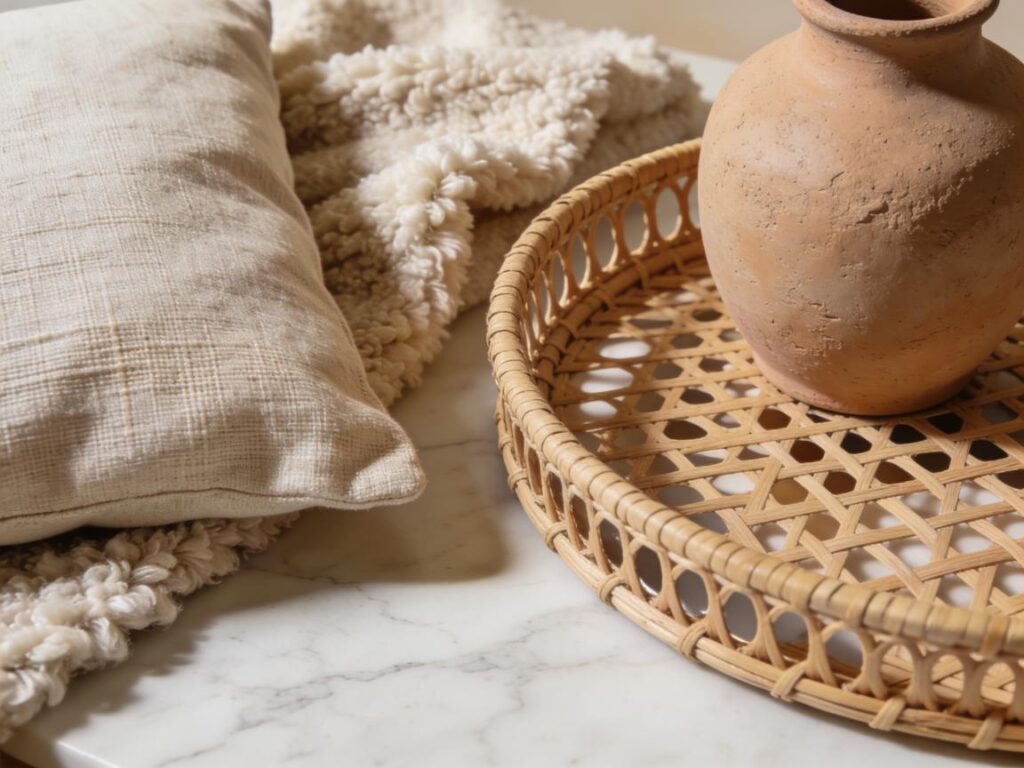
Texture is the design element that transforms a stylistically correct but emotionally flat room into a space that feels genuinely rich, layered, and inviting regardless of whether the dominant palette is bold or entirely neutral in its color expression. Every home decor style — from the strictest minimalism to the most exuberant maximalism — benefits profoundly from the deliberate layering of contrasting surface textures that engage the tactile imagination and create visual interest that remains satisfying and stimulating across months and years of daily exposure without ever feeling dated or tiresome to the eye or the touch.
Within a monochromatic or tonal neutral palette, texture becomes the primary vehicle for visual complexity and sensory richness — the difference between a beige room that feels sophisticated and one that reads as merely unfinished. Layer smooth surfaces against rough ones, woven materials against shiny ones, and matte finishes against reflective ones throughout every room regardless of your chosen style direction. A linen cushion against a boucle sofa beside a rattan tray on a marble coffee table beneath a matte ceramic vase creates a textural conversation that is endlessly satisfying to both eye and hand in a way that a perfectly matched set of identical materials in the same finish could never achieve in any home or any style.
12. Understand the Role of Scale and Proportion
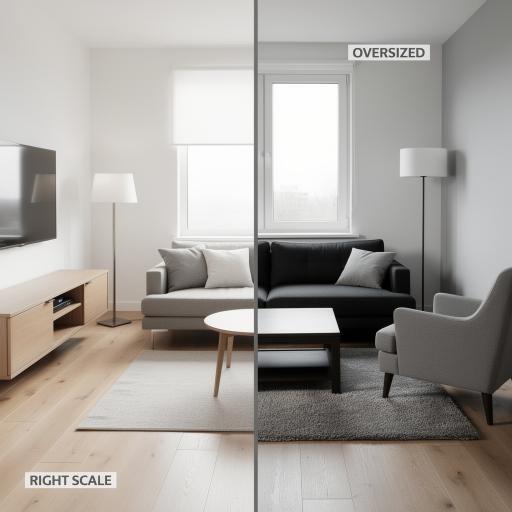
Scale and proportion are the invisible structural principles that determine whether a beautifully styled room feels harmonious and resolved or subtly unsettling and wrong in ways that most people feel instinctively but cannot always articulate in precise design language. Every home decor style has inherent scale preferences — minimalist and Japandi styles favor low, horizontal furniture with significant negative space around each piece, while traditional and maximalist styles can accommodate larger, more imposing furniture pieces that would feel overwhelming in a sparser contemporary arrangement. Understanding the scale logic of your chosen style is essential to executing it successfully in your specific space.
Before purchasing any significant furniture piece, tape its dimensions on your actual floor using masking tape and observe the footprint in relation to the room for at least twenty-four hours at different times of day and from multiple vantage points. What appears perfectly proportioned in a showroom surrounded by ceiling height and open floor area frequently reads as overwhelmingly large when placed in a real domestic room with normal ceiling heights and the competing visual presence of existing fixtures and fittings. This simple, free, twenty-minute exercise prevents the most common and costly furniture scale mistake in home decorating and is recommended by professional interior designers as the single most practical pre-purchase step any homeowner can take before committing to a major investment piece.
13. Edit Ruthlessly and Resist the Urge to Fill Every Space
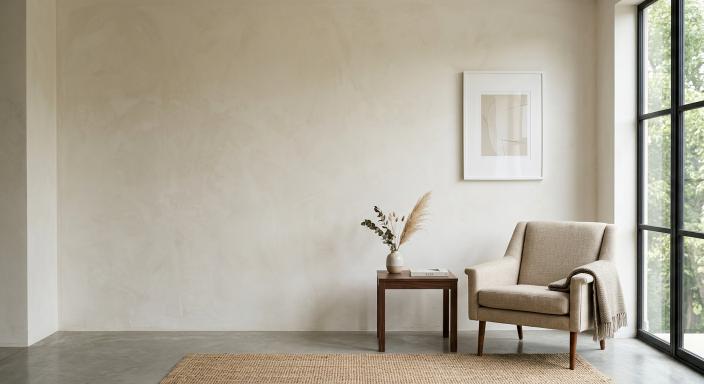
The impulse to fill every shelf, cover every wall, and populate every surface is one of the most universal and most counterproductive instincts in home decorating — the primary reason why so many otherwise well-intentioned rooms fail to achieve the resolved, considered quality that distinguishes a beautifully designed space from a merely well-furnished one. Negative space — the deliberate, unoccupied areas of a room around and between objects — is not empty space but active design space that gives every displayed object room to breathe, to be seen fully, and to communicate its specific beauty and character without visual competition from neighboring items crowding its perimeter.
Develop the habit of editing rather than accumulating by asking a specific and honest question about every item currently on display in your home — does this piece earn its visual real estate, or is it merely occupying space that would be more powerful left open? Remove items that fail this test to a designated holding area for two weeks and observe whether their absence improves or diminishes the room. In the vast majority of cases, removal improves the room immediately and dramatically — a discovery that makes the edited, curated approach to decorating not just aesthetically superior but personally liberating in a way that accumulation and filling can never be for any homeowner willing to practice the discipline of deliberate, confident visual restraint.
14. Commit Fully and Give Your Style Time to Evolve

The final and perhaps most important step in choosing the perfect home decor style is the act of committing to your chosen direction fully, completely, and without the perpetual second-guessing that prevents so many beautifully conceived interiors from ever reaching their full potential or delivering the genuine sense of home that every homeowner is ultimately seeking. Commitment in decorating does not mean rigidity or the refusal to evolve — it means giving your chosen style sufficient time, investment, and focused attention to reveal its full character before declaring it wrong and beginning the exhausting cycle of redecoration again from scratch before the current scheme has properly matured.
A home decor style reveals its true quality and rightness gradually — through the accumulation of personal objects that layer into the scheme over months and years, through the way seasonal light changes the colors and atmosphere of rooms across the full annual cycle, and through the subtle but profound shift that happens when a space stops feeling new and starts feeling genuinely, deeply familiar in the way that only a true home can. Give your style a minimum of one full year before making major changes, add pieces gradually and thoughtfully, and trust that the instincts that led you to your chosen aesthetic in the first place were more reliable and more personally true than any trend, external opinion, or momentary doubt that arises in the inevitable mid-process uncertainty every homeowner experiences on the journey toward the home they have always imagined living in beautifully and completely.